
Colombian Coffee Beans


Colombian Coffee Beans
Colombian coffee beans from special coffee regions
Colombian coffee beans are popular because they do not fit into one flavor profile. A coffee from Colombia can be soft, sweet and chocolatey, but also fruity, floral or bright with citrus. That difference is not only caused by the name of the country on the packaging. The altitude at which the coffee grows, the local climate, the variety of the coffee plant, the processing after harvest and the way the coffee is roasted all determine what you ultimately taste.
At Eddy's Coffee we therefore look further than an attractive story on a bag. As an experienced barista, we want to know how a coffee behaves during grinding, how easy it is to extract and whether the taste also remains at home. A good coffee bean should not only be interesting for a buyer or taster. It should also help you make a better cup of coffee every morning.
On this page we explain where Colombian coffee comes from, why Huila is so important, what Supremo and Excelso mean and how to choose a Colombian coffee for espresso, filter coffee or cappuccino.
Why Colombian coffee tastes so versatile
Colombia's main coffee regions are in and around the Andes. Altitude, temperature, rainfall, soil and shade can change significantly within a short distance. A coffee plant on a cool mountain slope develops its coffee cherries differently than a plant in a warmer valley. Ripening can be slower, giving more time for the development of sugars and aromas.
That's why there is no such thing as one typical Colombian flavor. Some coffees have a round body with caramel and chocolate. Others are lighter and fruitier, with citrus, red fruit or floral notes. The acidity also differs. In coffee, acidity does not mean the coffee is bad or unpleasantly sour; it is the fresh liveliness that can remind you of orange, apple or berries, for example.
The processing after harvest makes a big difference. With washed coffee, the pulp is removed before the beans are dried. That can give a cleaner, clearer headline. The Federación Nacional de Cafeteros describes Huila as fruity, caramelly, citrusy, chocolatey and floral regional characteristics. These are directions, not guarantees for each individual lot.
Where is Colombian coffee grown?
Colombian coffee is grown in a wide belt of mountain areas. Well-known departments are Huila, Cauca, Nariño, Tolima, Santander, Antioquia, Caldas, Risaralda, Quindío and Valle del Cauca. Each area has its own microclimates and agricultural traditions. Even within one department, two municipalities or farms can produce a different head profile.
Huila: the origin of our Colombia Supremo
Huila is located in the south of Colombia and is an important region of origin for Arabica coffee. Within Huila, coffees from Centro, Norte, Sur and Occidente are distinguished. The official regional descriptions include fruit, caramel, citrus, chocolate, panela, red fruit and flowers.
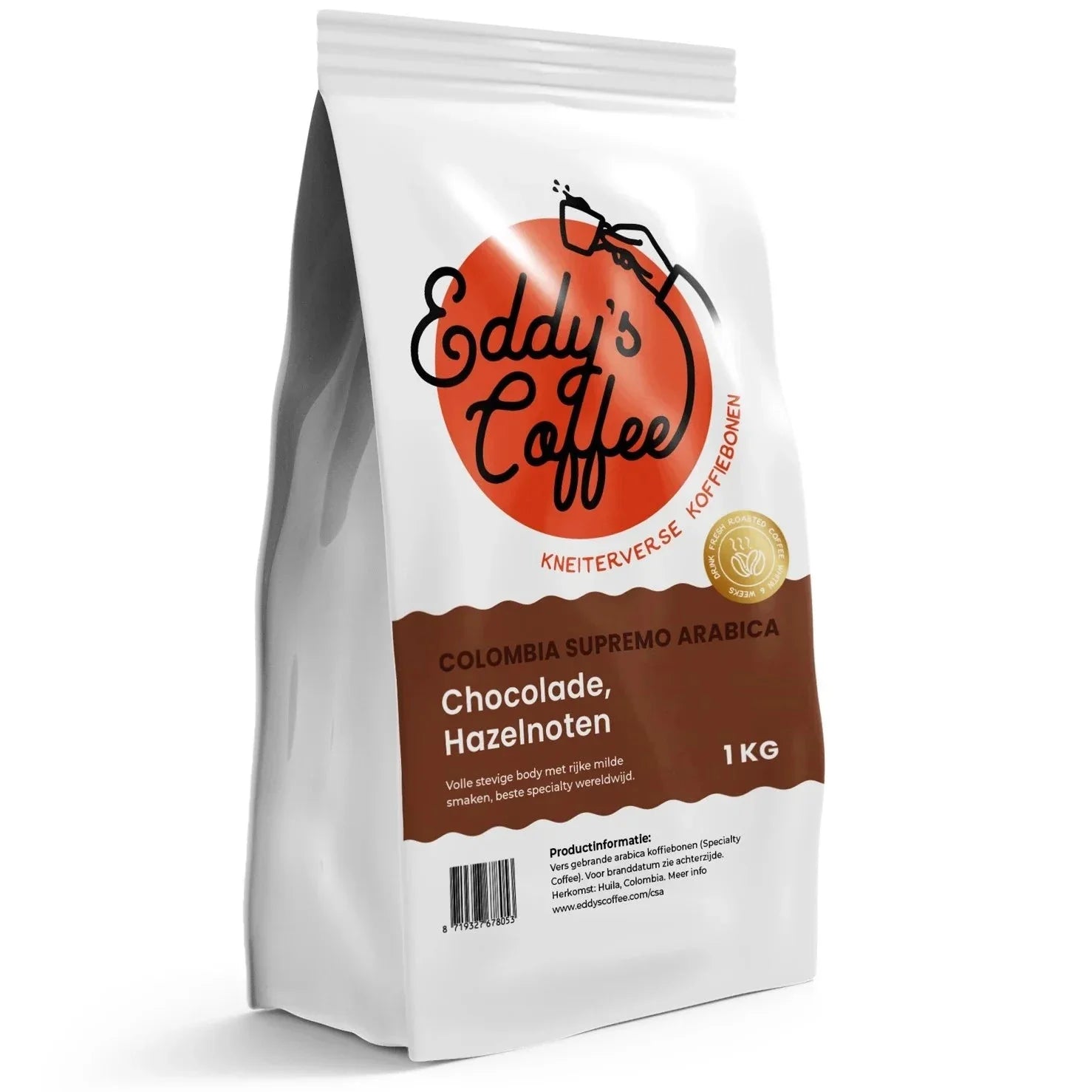
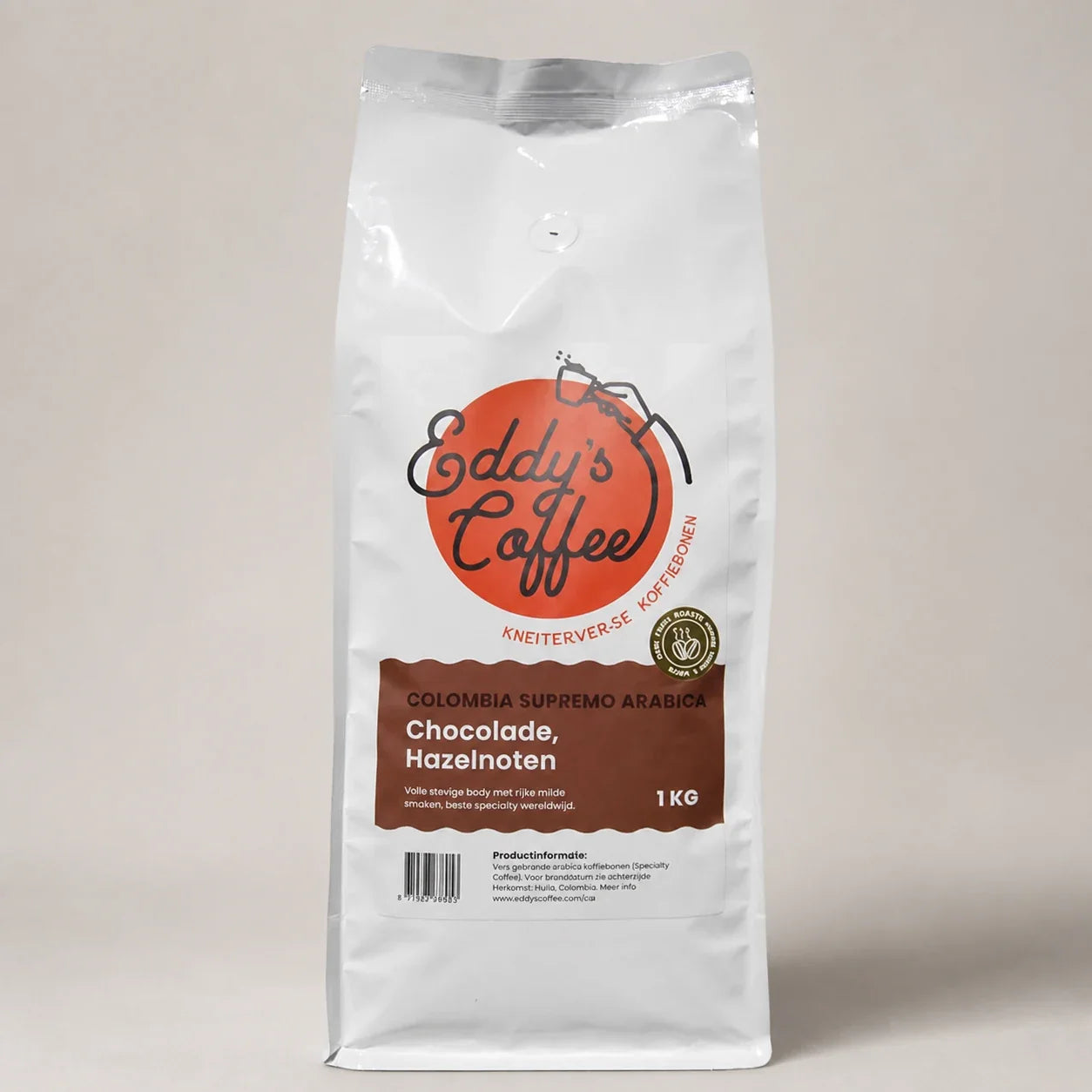
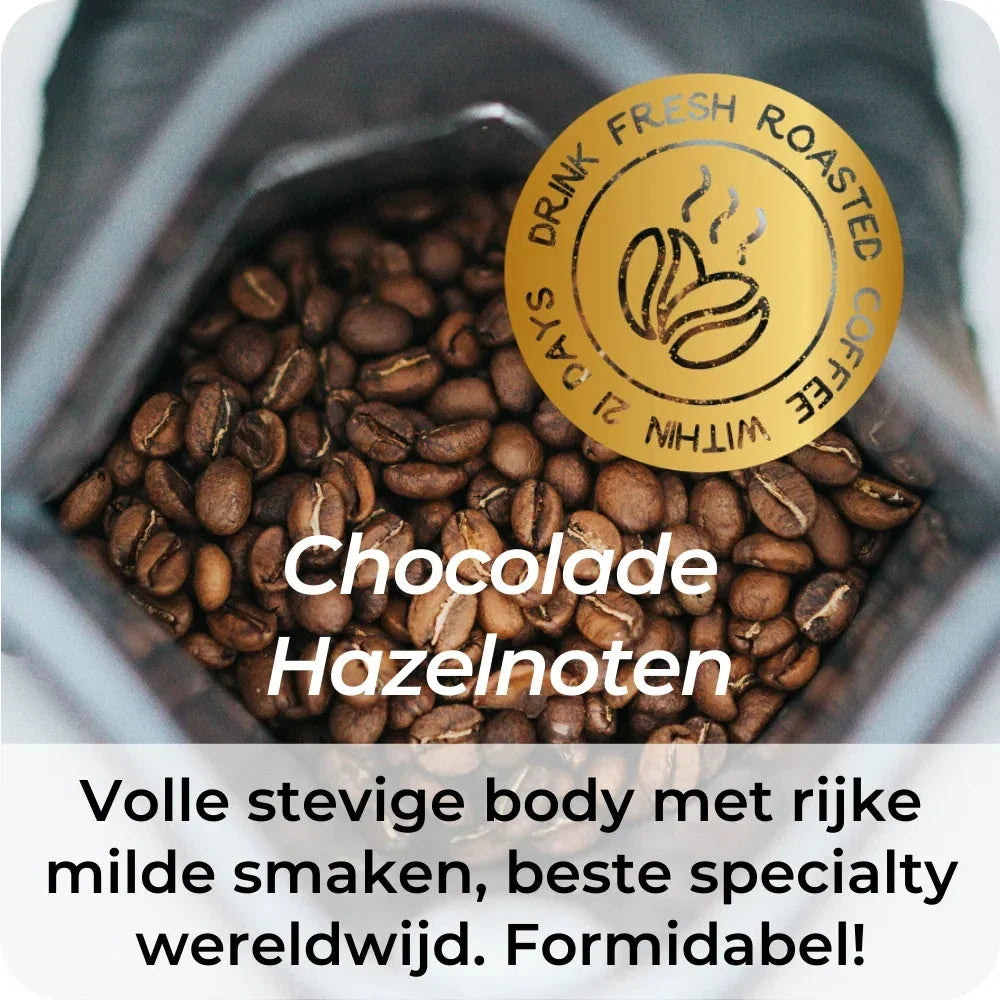
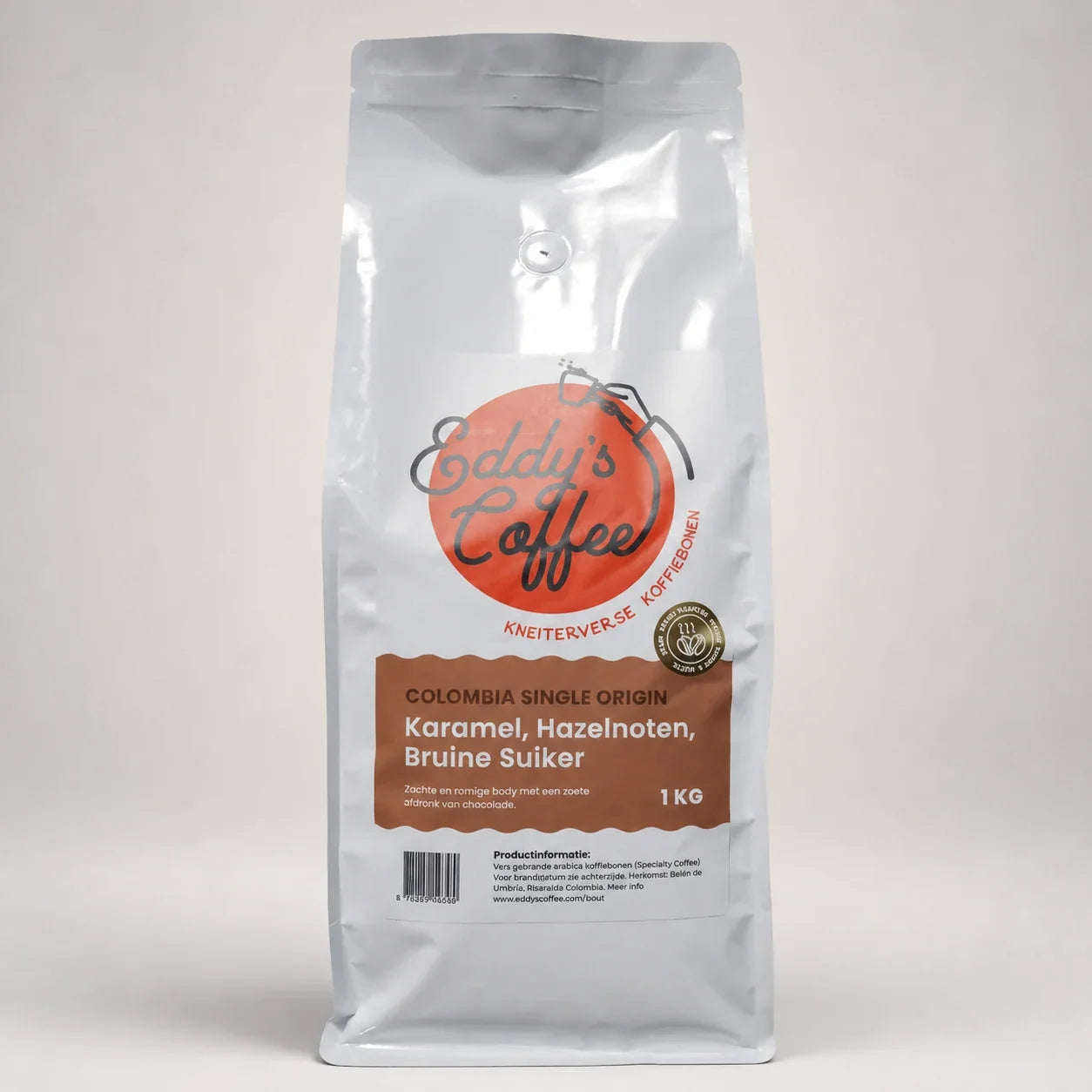
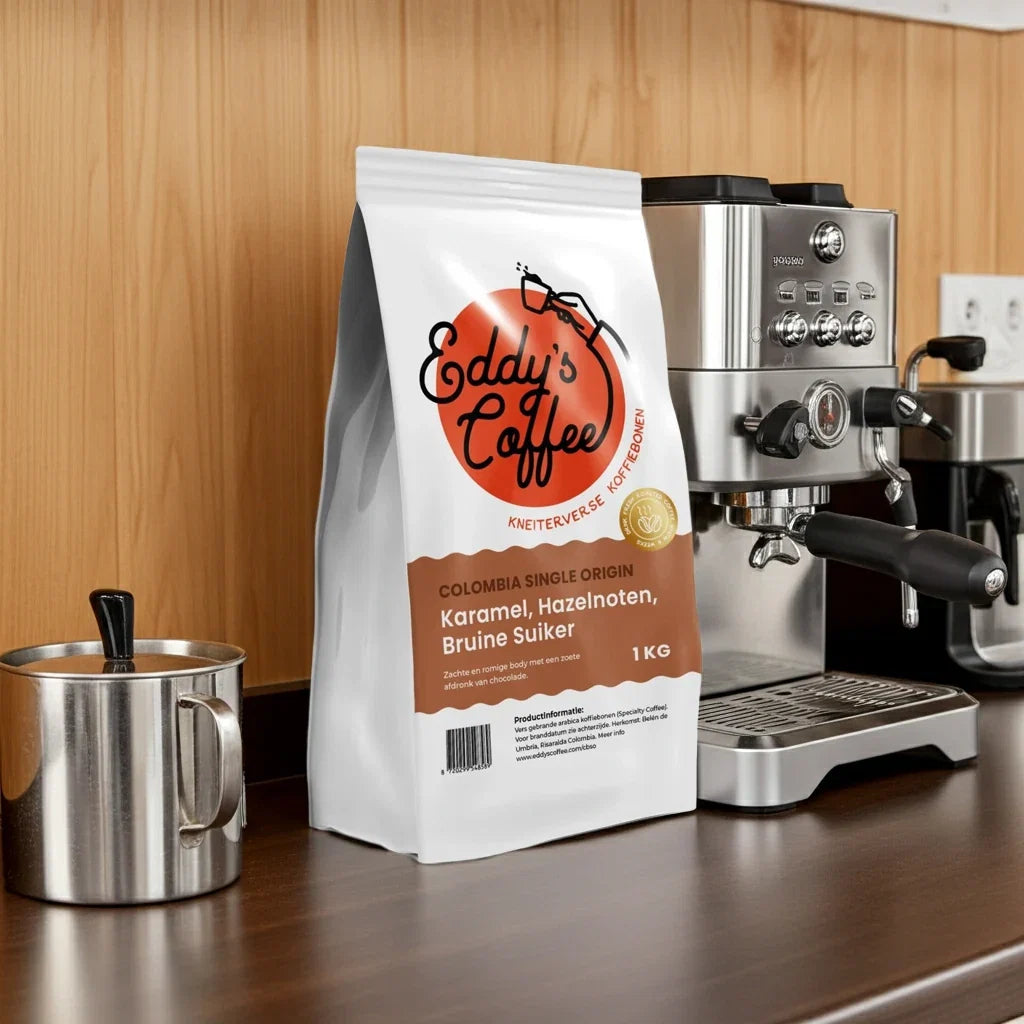
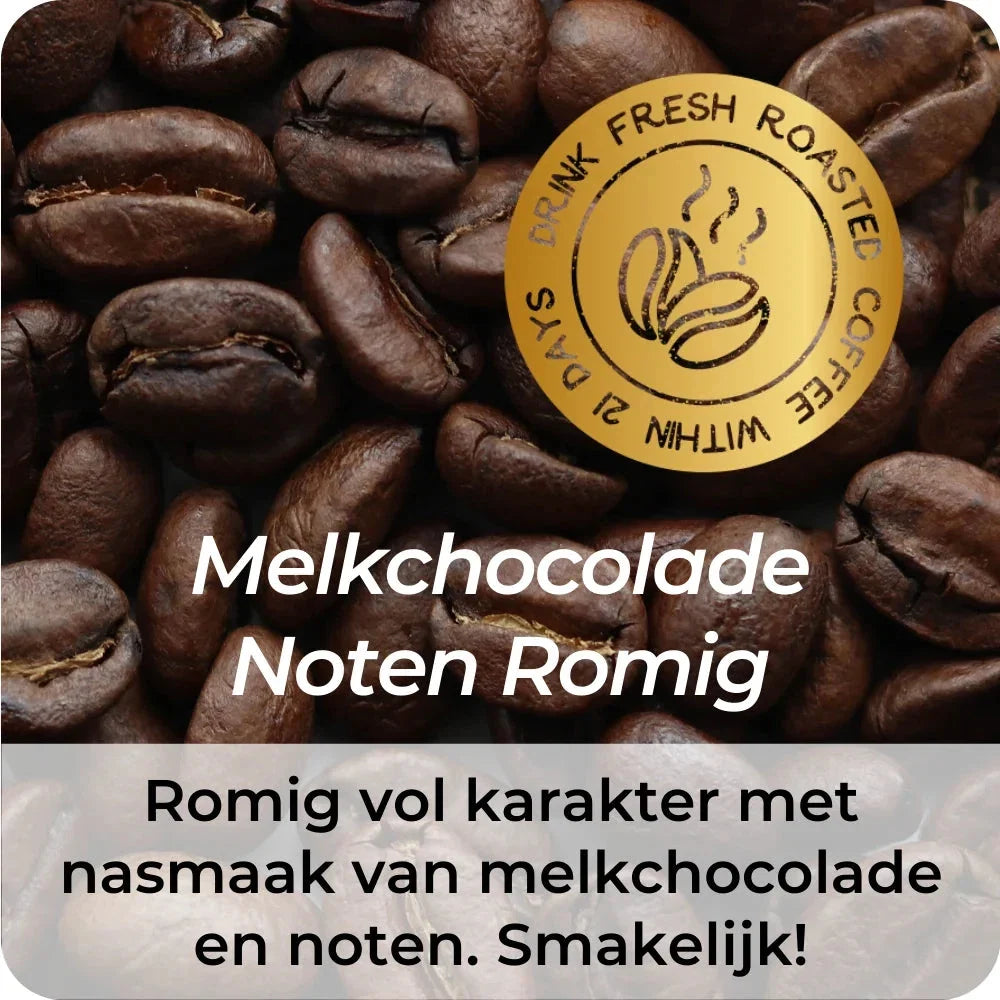
Our Colombia Supremo Arabica comes from Huila and, according to the available product information, grows at approximately 1,400 to 1,600 meters. The coffee is processed washed and has a medium body. In the cup you will recognize caramel, chocolate and soft citrus. That profile is accessible enough for daily use, but has enough character to also allow conscious tasting.
Do you want to know more about the landscape and coffee culture? Then read our blog Huila Colombia: the coffee region behind Colombia Supremo.
Cauca and Nariño
Cauca is located southwest of Huila. Coffees from Cauca can be light, sweet and floral, sometimes with notes of berries and lively acidity. Nariño is located even further south, close to Ecuador, and is known for the high elevation of many coffee regions. There, a refined acidity, a creamy body and fruity or stone fruity notes can emerge.
Tolima and Santander
Tolima is located east of Huila. Coffees from Tolima can be smooth, sweet and balanced, with floral or chocolatey accents. Santander and Norte de Santander are located in the northeast of the Colombian coffee zone. There are also softer and milder coffees, often with lower acidity and an accessible body.
Antioquia and the coffee triangle
Antioquia, Caldas, Quindío, Risaralda and Valle del Cauca are often linked to the traditional Colombian coffee region. The green mountain landscapes, small coffee farms and long coffee tradition make these areas known to travelers and coffee lovers. Here too, the taste varies greatly by municipality, variety and processing.
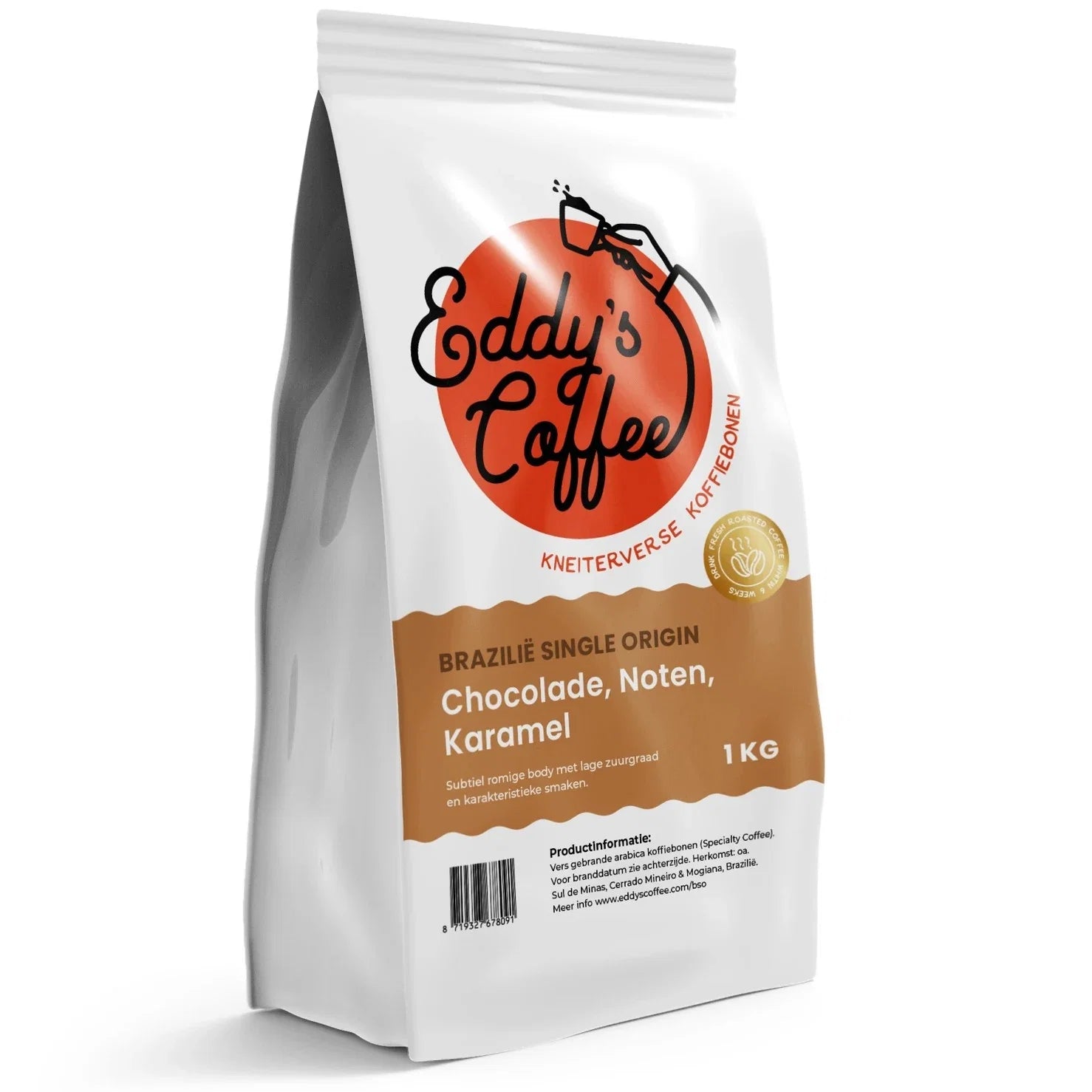
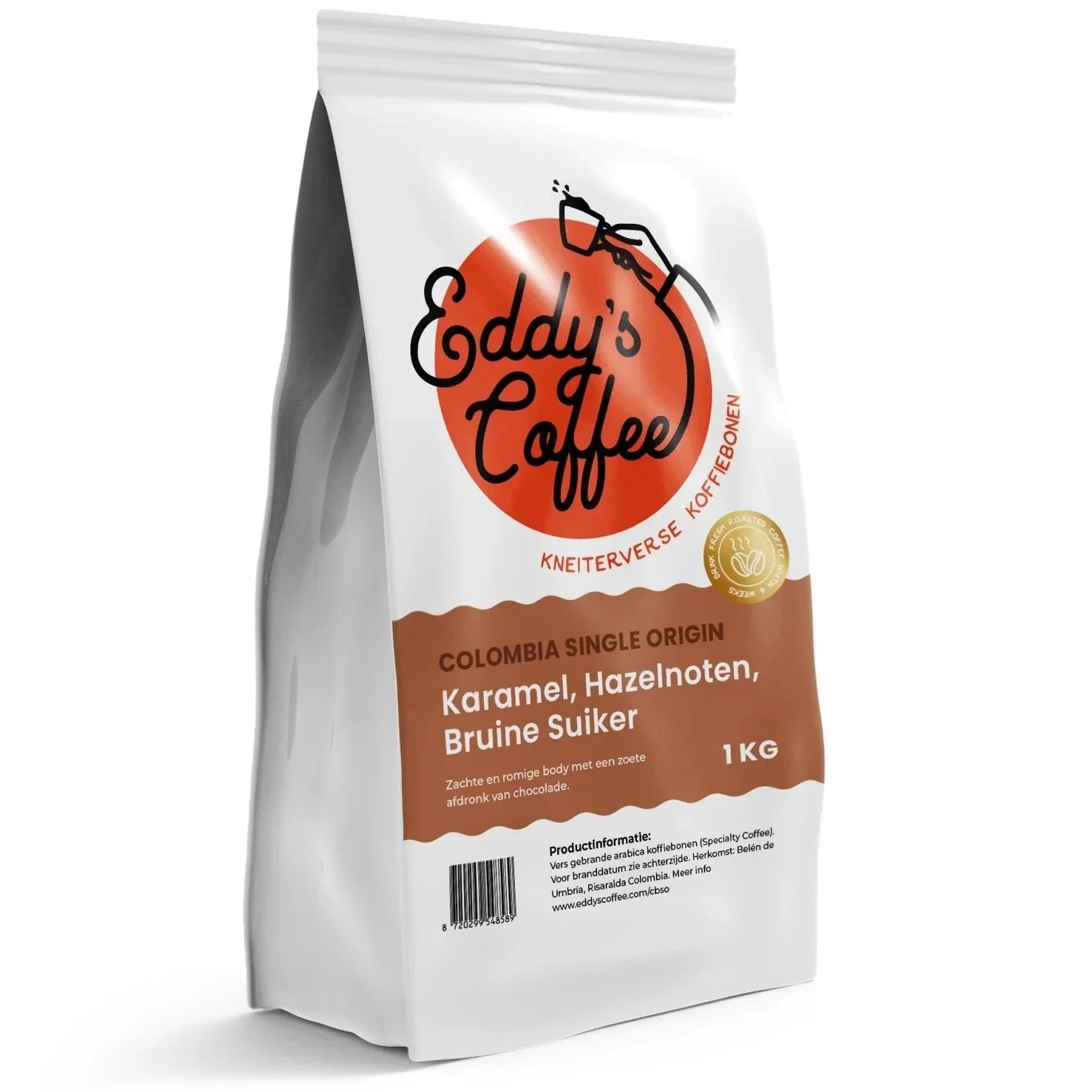
Belén de Umbría in Risaralda: a second important Colombian coffee region
In addition to Huila, Risaralda is also an important Colombian coffee origin that you will encounter on our website. Located in the western Andes region, Belén de Umbría is described by the Federación Nacional de Cafeteros as Risaralda's main coffee-producing municipality. The municipality is about an hour and a half drive from Pereira and is part of the Paisaje Cultural Cafetero. That landscape shows how closely coffee, mountain agriculture, villages and family traditions are linked.
As a barista, I find that regional context valuable, as long as we don't confuse it with a fixed taste promise. Coffee from Belén de Umbría can be different depending on variety, height, processing and roast profile. The region tells you where the coffee comes from and what coffee culture is behind it; the concrete product information tells you what you can expect in your cup. That is why we describe the origin of our coffees separately, even when multiple products are associated with the same region.
Our Colombia Sugarcane Decaf is linked to Belén de Umbría in Risaralda, according to the available product information. We also have another Colombian coffee that comes from this region. For the Sugarcane Decaf, we consciously keep the flavor description to the confirmed overlap: a creamy, full body with notes of chocolate, caramel and sweet fruit and a soft, sweet aftertaste. The region is therefore a context of origin; the taste belongs to the specific product and the way it is processed and roasted.
In Belén de Umbría, families have been working on coffee cultivation for generations and are looking for ways to strengthen quality, sustainability and local value. Cenicafé and the Colombian Coffee Federation also describe paying attention to specialty coffee, export and the renewal of older coffee plantations with support for resistant varieties and fertilization. These types of developments are important for the future of coffee: not only producing more, but also ensuring that soil, plants, knowledge and entrepreneurship grow with a new generation.
Do you want to know more about the landscape and the way this region is developing? Then read our extensive blog Coffee from Belén de Umbría: Risaralda, Colombia. There we also explain why a region is not a guarantee of taste and how you can compare Belén de Umbría with Huila, the origin of our Colombia Supremo.
Altitude, variety and microclimate
Colombian coffee is grown at varying altitudes. For the country as a whole, coffee importers mention a wide range of approximately 800 to 2,350 meters above sea level. That is not a product characteristic of every coffee, but it does show how great the geographical variation is.
Several Arabica varieties are grown in Colombia, including Caturra, Castillo, Colombia, Typica, Bourbon and Tabí. A variety influences the plant's growth, yield and flavor potential, but never tells the whole story. The same variety can taste different at two different altitudes.
From coffee cherry to green coffee
Coffee cherries are picked when they are ripe. Because not all berries on the same plant ripen at the same time, they are harvested several times. The harvest period varies by region. In Colombia, an important harvest period is often between September and December; in some areas there is also a smaller harvest between March and June.
With washed processing, the pulp of the coffee cherry is removed. The beans are then fermented, washed and dried. Drying in particular requires attention. A bean that dries too quickly, too slowly or unevenly may later taste less clean or store less stable. After drying, the green beans are sorted by size, color and defects, among other things.
What do Supremo and Excelso mean?
Colombia Supremo and Colombia Excelso are indications for the grading and size of coffee beans. Supremo generally refers to larger beans, usually screen 17/18. Excelso is often linked to a smaller sort, for example screen 15 or 16.
A bigger bean is not automatically a better bean. The sorting mainly says something about size. Taste and quality are also determined by origin, variety, processing, drying process, defects, roast and preparation. Therefore, a well-processed Excelso coffee can taste better than a less well-treated batch with larger beans. InterAmerican Coffee explains the difference between Supremo and Excelso in the same way.
Which Colombian coffee suits your brewing method?
For espresso, many home baristas look for a coffee with sufficient body and sweetness. The Colombia Supremo from Huila therefore works well as a basis for an espresso, lungo or cappuccino. Start with a fine grind and adjust the extraction so that caramel and chocolate are clearly present, without the soft citrus becoming sharp.
For filter coffee, the coffee may be slightly clearer and more transparent. Use a medium grind, fresh water and a gentle brewing time. Then the soft citrus and aromatic notes get more space. In a French press, the medium body is more prominent due to the longer contact time.
As a starting point, you can use approximately 60 grams of coffee per liter of water for filter. For espresso, start with the dosage that corresponds to your filter basket. Then adjust one variable at a time: grind size, dosage, flow time or water temperature.
Buy Colombian coffee beans at Eddy's Coffee
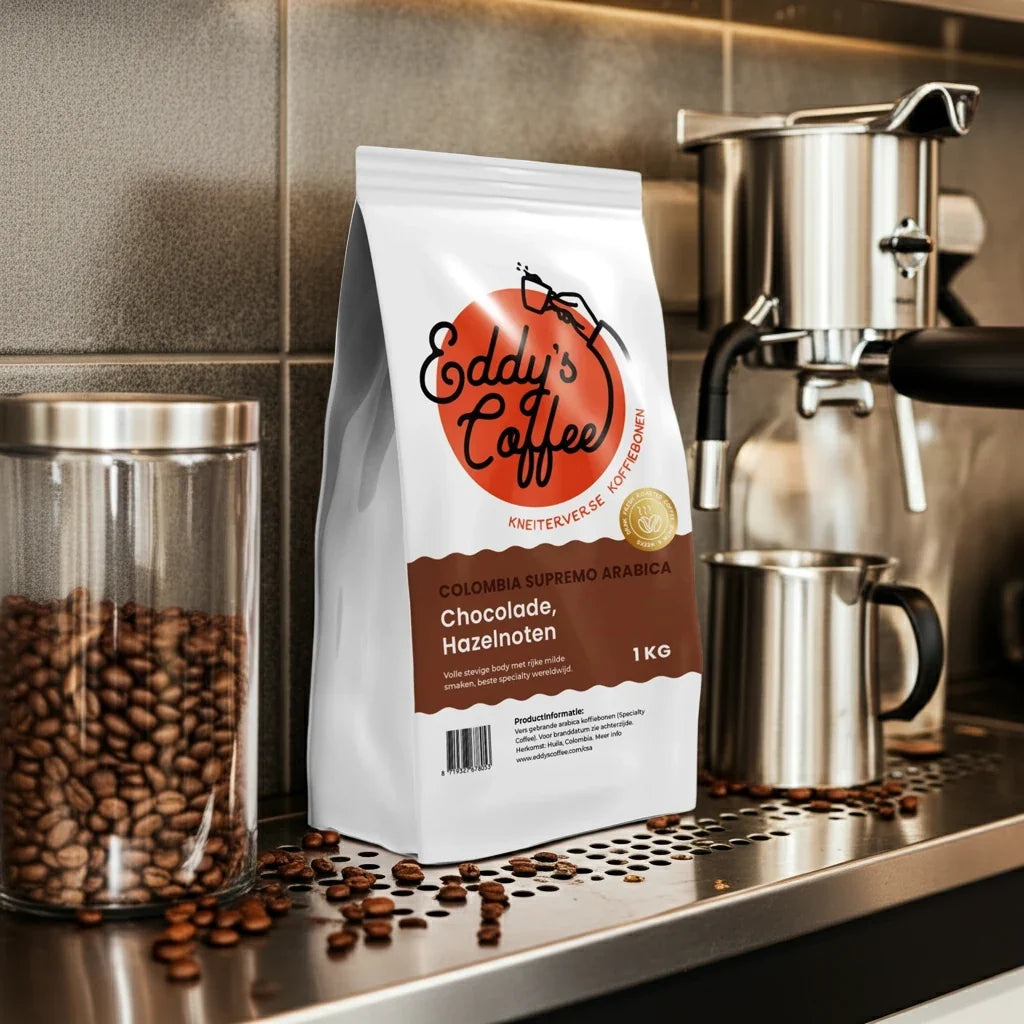
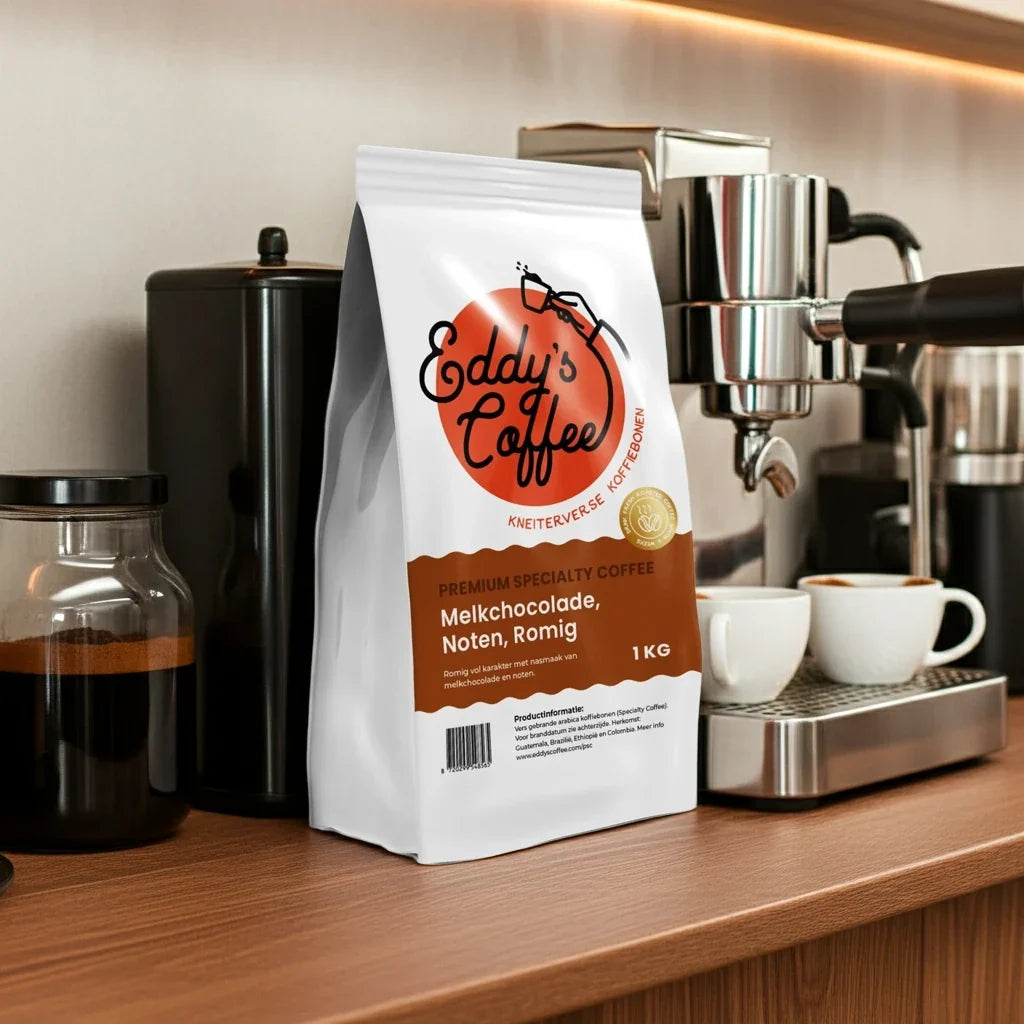
Do you want to buy Colombian coffee beans that are freshly roasted? Then view our Colombia Supremo Arabica from Huila. This coffee is available as whole beans and as a grind for various brewing methods. The taste is recognizable and versatile: caramel, chocolate and soft citrus with a medium body.
After receipt, store the beans airtight, dry and out of direct sunlight. Ideally, only grind the amount you need. This way you retain more aroma and you can better adjust the extraction. Would you like to taste other origins besides Colombia? Then view our specialty coffee collection.
Origin transparency
This coffee comes from Huila, Colombia, and is offered as washed Colombia Supremo at an altitude of 1,400 to 1,600 meters. At this time we do not have any public information that allows us to identify the specific farmer, finca or cooperative of each delivered lot. That is why we do not mention a producer name on this page that may belong to another Colombian coffee. As soon as that information is available per lot, we will further supplement the origin information.