
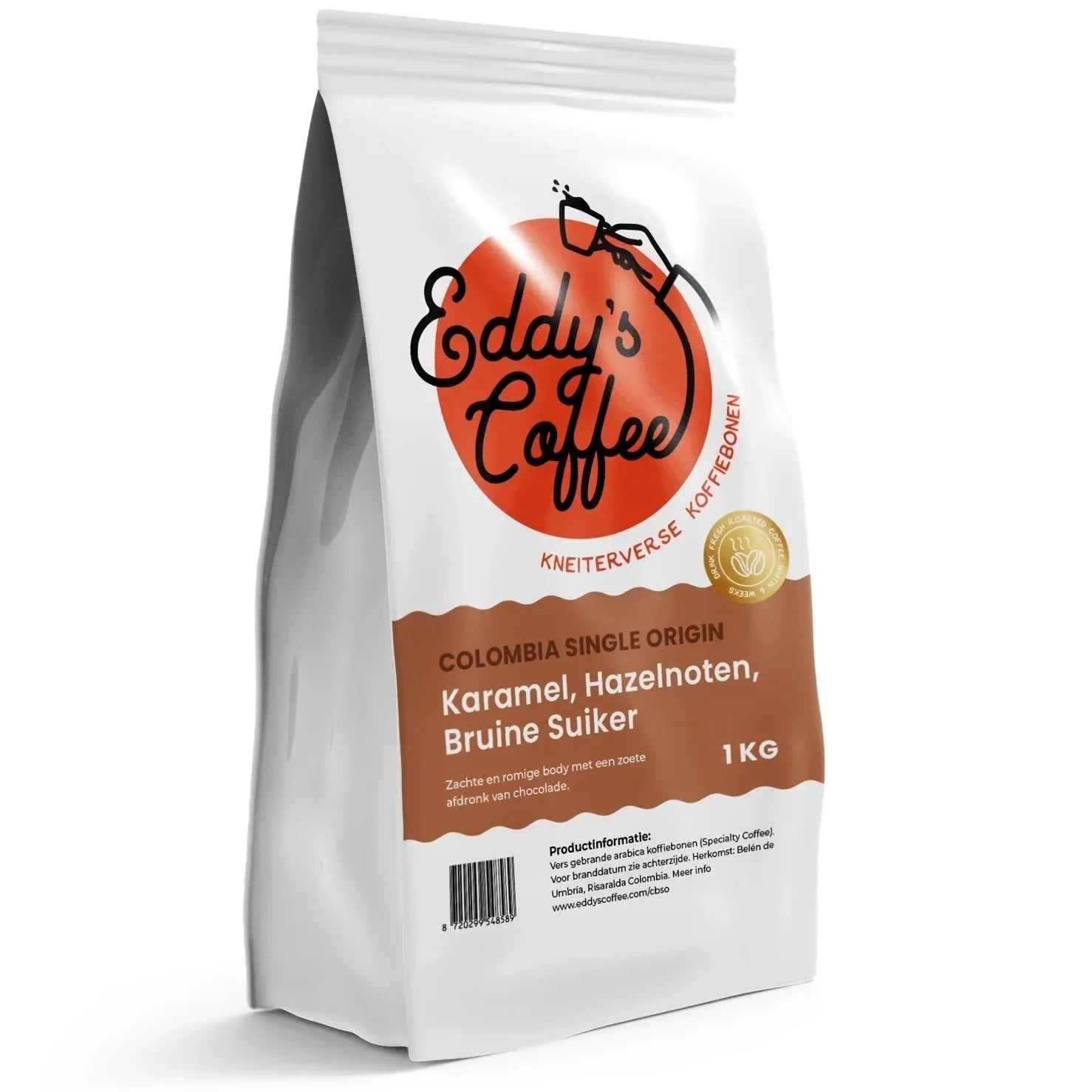
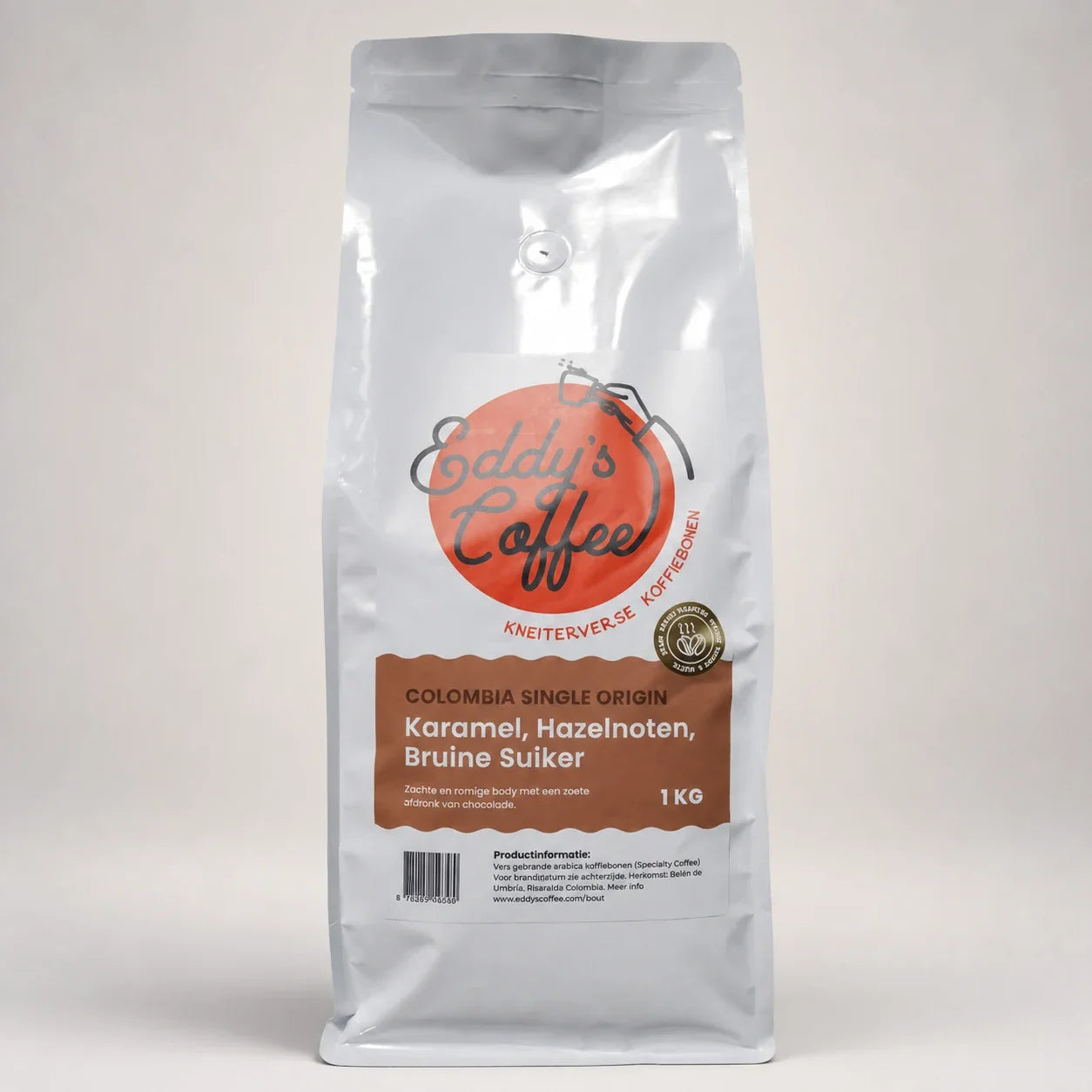
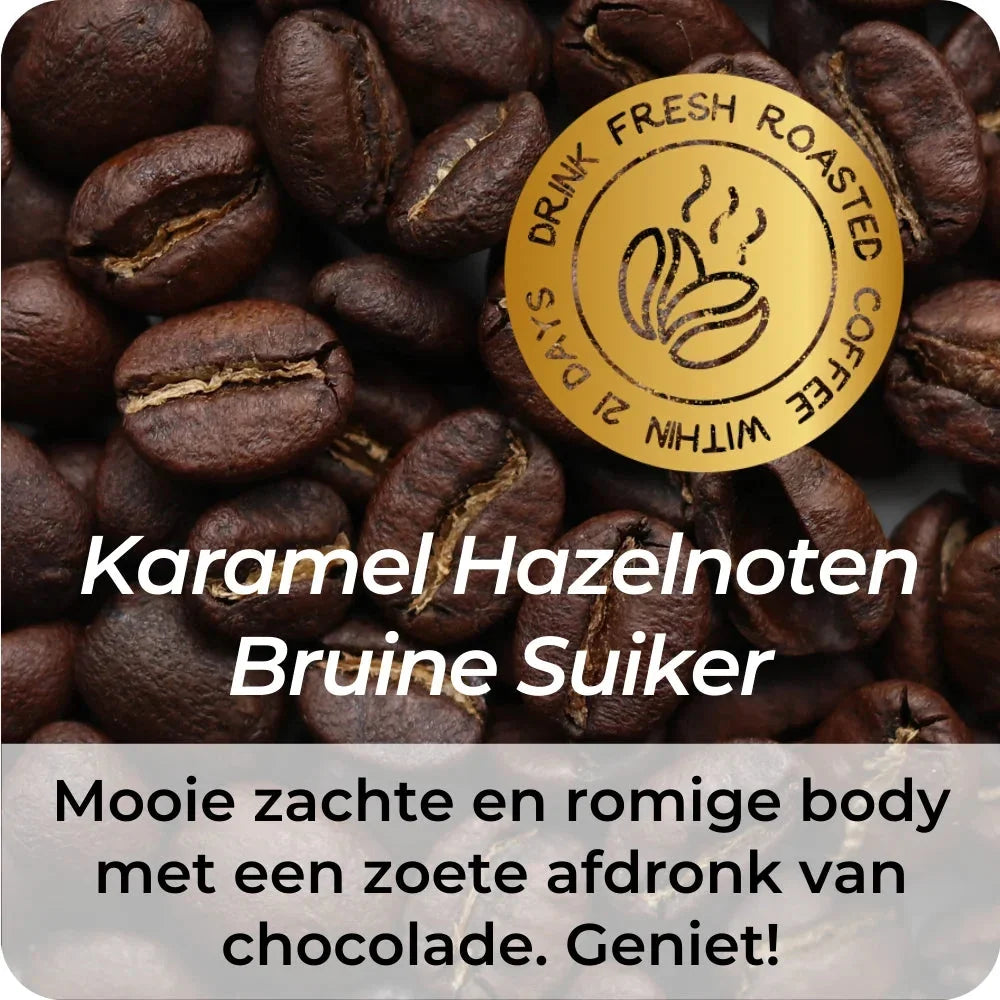
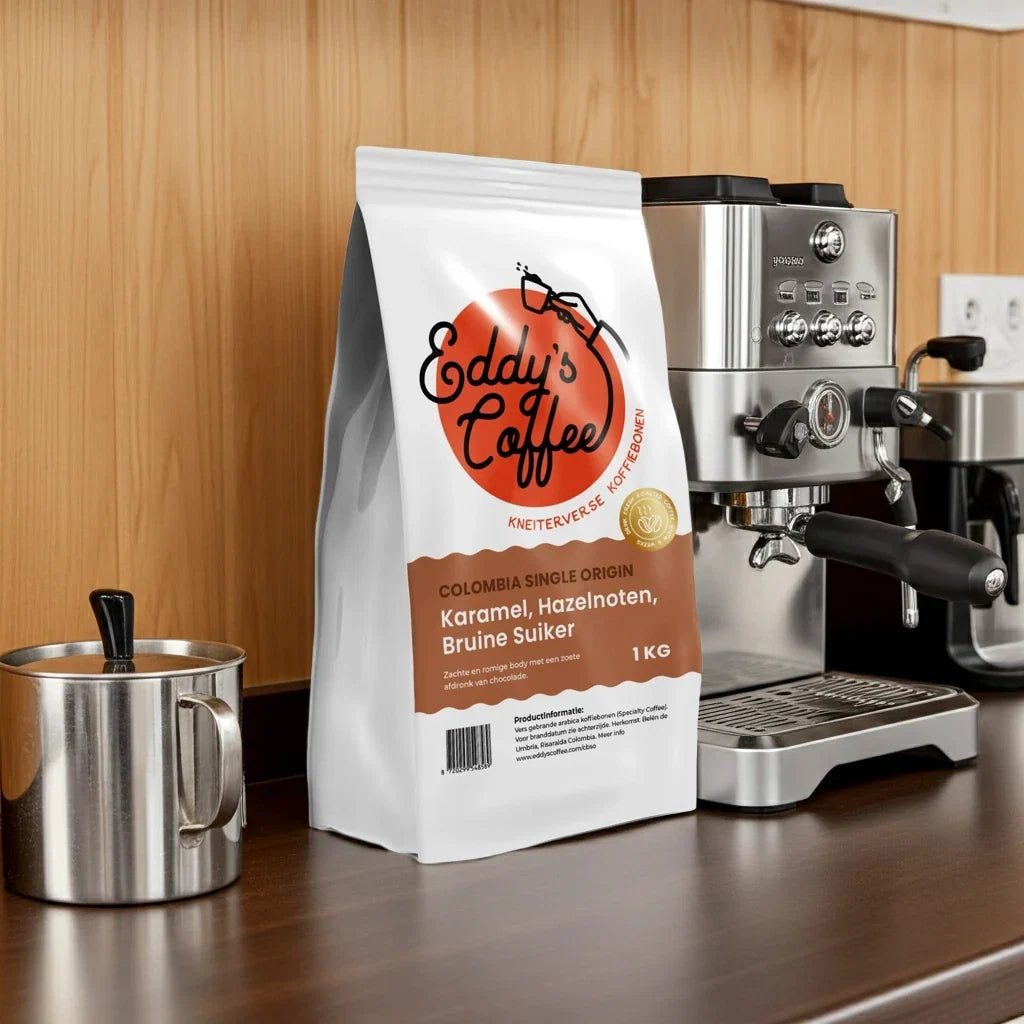
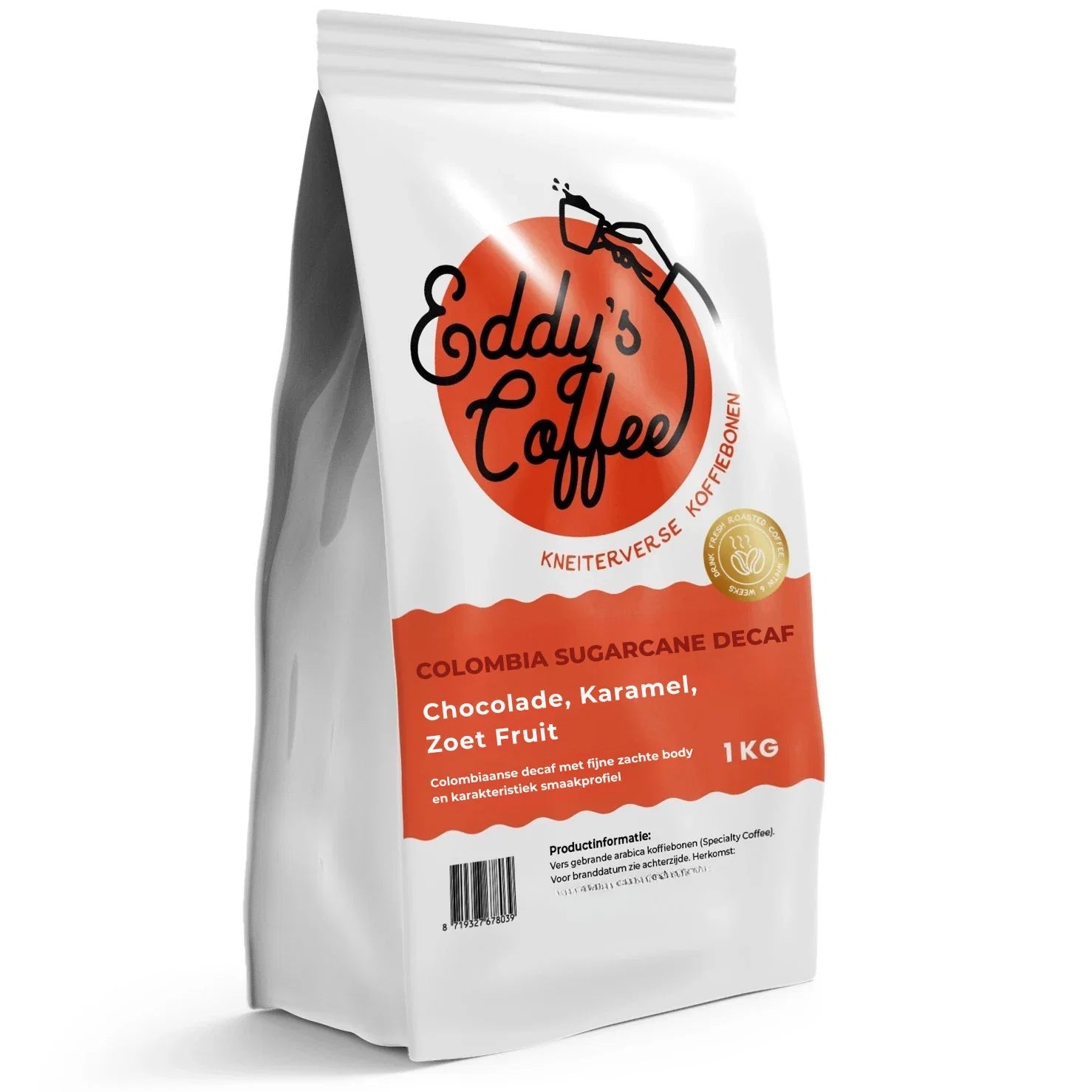
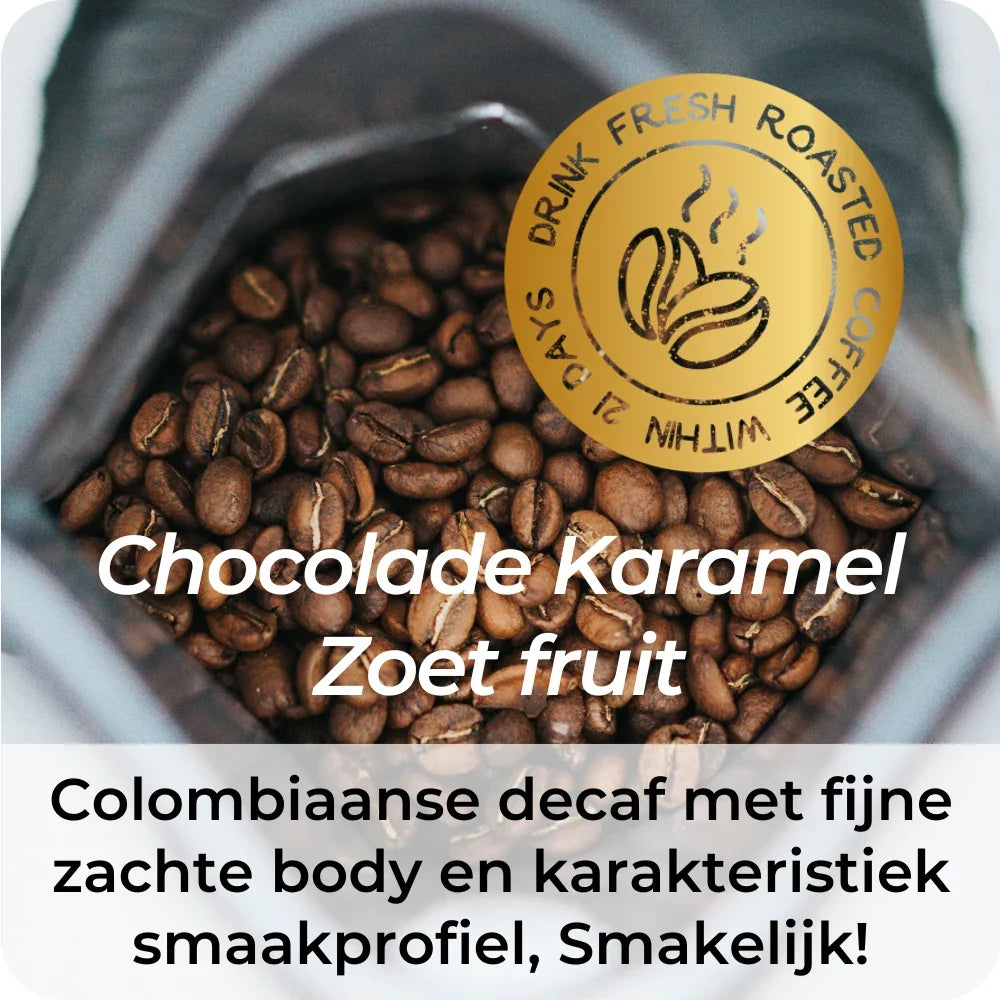
Colombia Sugarcane Decaf Coffee Beans
Specialty Coffee Beans
It is easy to call a good or expensive coffee “specialty coffee”. True specialty coffee is much more than that. When you buy specialty coffee, price is not the only thing to consider. Far more important is the journey the coffee has made. Every stage of the process matters to the flavour in your cup. Specialty coffee producers work to create coffee of the highest quality: only the best beans are selected and they are roasted with care.
Wondering when a coffee can genuinely be called specialty coffee, or ready to try exceptional coffee for yourself? Here we explain what specialty coffee is and what to look for when buying specialty coffee beans.
What is specialty coffee?
Specialty coffee is much more than simply good or expensive coffee. It is about quality, transparency and attention at every stage of the process. From cultivation and harvesting through to roasting and brewing, every step influences the final cup. That is why genuine specialty coffee must be traceable: you should be able to understand where it comes from and how it was produced. Specialty coffee lovers also value responsible production, fair trade and respect for people and the environment. It is no coincidence that specialty coffee is often seen as a craft and, for many people, a way of life.
Traceable origins, responsible production and quality
With genuine specialty coffee, the origin of the beans is clear. Often you know the country, region and sometimes even the particular farm the coffee comes from. This transparency helps protect quality consistently and supports long-term relationships with coffee farmers. When farmers are paid fairly, they can invest in better farming methods, careful processing and quality control. You can taste that attention: specialty coffee is generally more complex, cleaner and better balanced than commercial coffee.
Cupping scores and professional assessment
A key benchmark in specialty coffee is the cupping score. Officially, only coffee scoring 80 points or above can be called specialty coffee. Certified Q Graders assess coffee for qualities including aroma, flavour, acidity, body and aftertaste. The maximum score is 100, but only a small share of coffee worldwide reaches this level. Every coffee in Eddy’s Coffee’s specialty range scores above this threshold and therefore meets the international specialty coffee standard.
Specialty coffee versus commercial coffee beans
The difference between specialty coffee and commercial coffee is not only about flavour; it starts with the production process and the philosophy behind it. Commercial coffee is produced at scale by businesses focused on maximum efficiency and volume. Quality, freshness and origin often receive less attention. Specialty coffee, by contrast, is produced with care for detail, flavour and responsible sourcing, specifically for coffee lovers and connoisseurs.
Production scale, transport and freshness
Commercial coffee beans are often harvested in huge volumes, transported in shipping containers and roasted in large industrial roasters. By the time you buy them, the coffee may already be months old. Specialty coffee follows a very different route. The beans are transported in jute or linen bags of around 60 to 70 kilograms and roasted in small batches. That gives the roaster much more control and results in noticeably greater freshness and flavour.
Flavour, quality and character
Mass production can strip commercial coffee of much of its complexity and character. It is often roasted dark to conceal differences in raw-bean quality, which can result in a bitter, flat cup. Specialty coffee is roasted to highlight the bean’s natural character instead. Depending on its origin and roast, you may taste subtle notes of fruit, chocolate or nuts. That makes specialty coffee not only higher in quality, but more interesting to drink.
Specialty coffee is made for coffee lovers and connoisseurs
When you order specialty coffee online, you know you are choosing coffee made with quality in mind. But it is not only about a high score: careful attention has been paid to every other aspect of the coffee too. Specialty coffee lovers drink their beans while they are freshly roasted and enjoy finding the best way to brew them. A great cup does not have to come from an espresso machine. Filter coffee, slow coffee and other manual brewing methods are equally popular among serious coffee enthusiasts.
Just like producers, many specialty coffee drinkers enjoy refining every part of the recipe. Some use mineral water; committed coffee geeks even add particular minerals to demineralised water. You will often hear that specialty coffee needs neither sugar nor milk, because it is enjoyable on its own. That does not mean milk is off limits. If you enjoy a latte or cappuccino, you can absolutely make one with specialty coffee too.
The best specialty coffee
Want to order specialty coffee and feel confident that you are bringing home a good coffee? Our shop offers a range of beans that genuinely qualify as specialty coffee. They are responsibly produced and have a cupping score above 80. You can choose direct-trade coffees, distinctive arabica single origins or carefully developed specialty blends. Each has its own personality, from chocolatey and nutty to fruity and bright.
Which coffee is objectively the best? That is mostly a matter of taste. We recommend reading the descriptions of the individual coffees and choosing the flavour profile that appeals to you most. If you are unsure, start with the brewing method you use most often and the flavour direction you usually enjoy.
Signals of quality
Want to be sure you are buying genuine specialty coffee? Specialty coffee beans should show a roast date on the pack, because they are intended to be enjoyed fresh. You rarely find a recent roast date on supermarket coffee. Specialty coffee producers and roasters also put a great deal of care into their work and share meaningful information about it. As a buyer, the more you can learn about the coffee and its process, the more likely it is that the coffee has been handled with real attention to quality.
At Eddy’s Coffee, we share as much information as possible about the coffee you buy: the variety, bean size, origin, processing method, flavour profile and, where available, details of the farm. That means you know what you are buying before you brew it.
Freshly roasted coffee beans are the foundation of specialty coffee
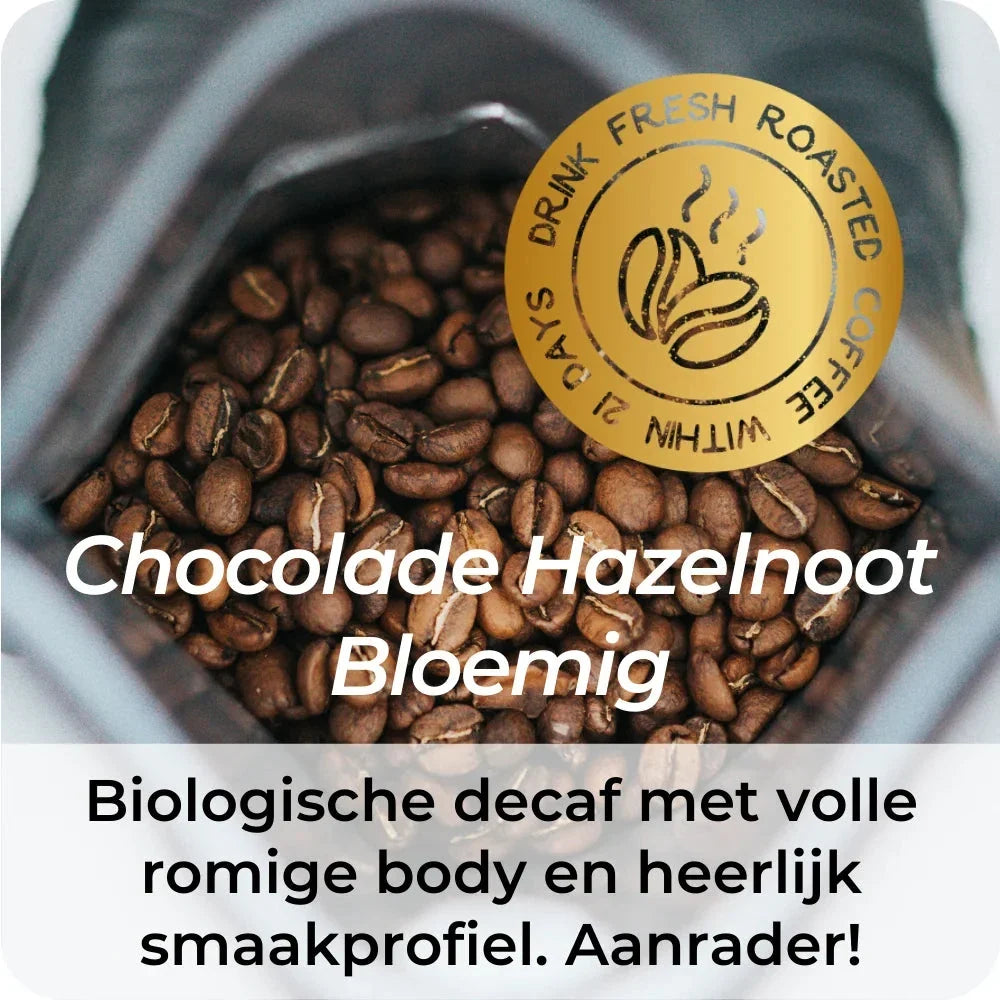
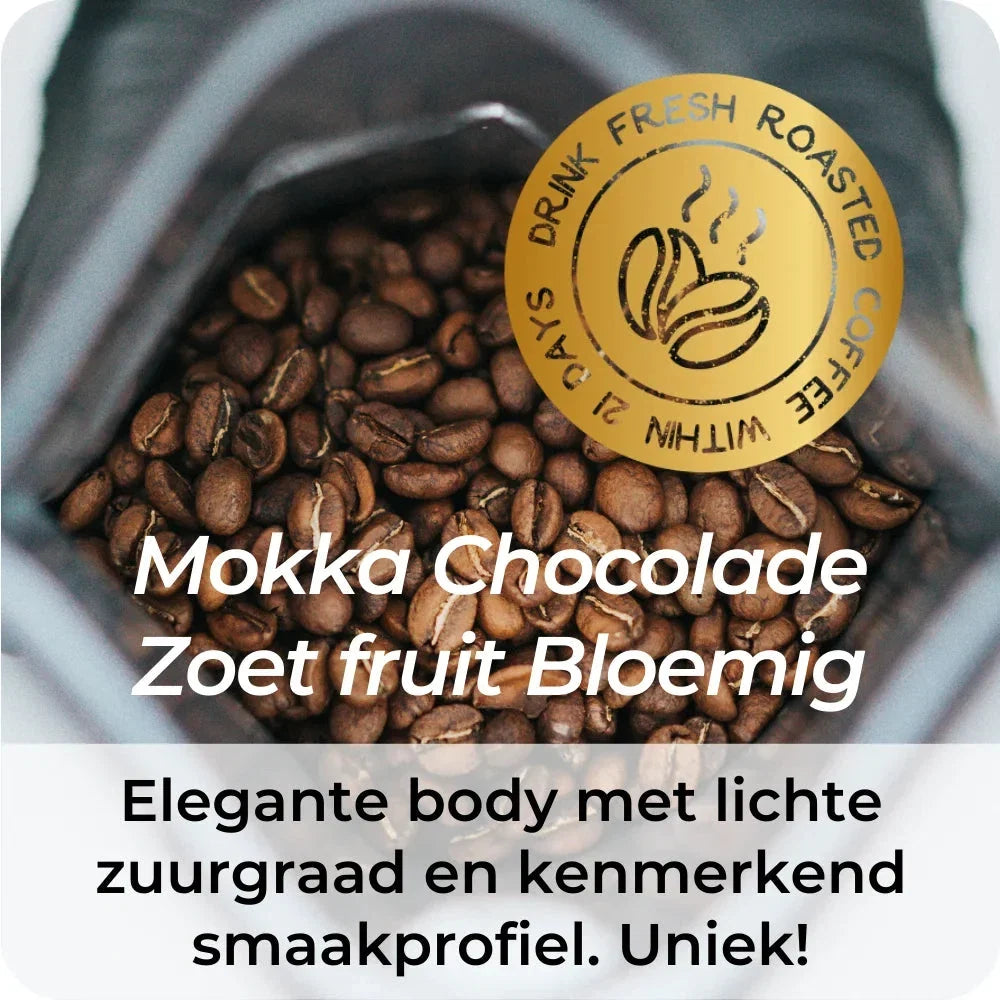
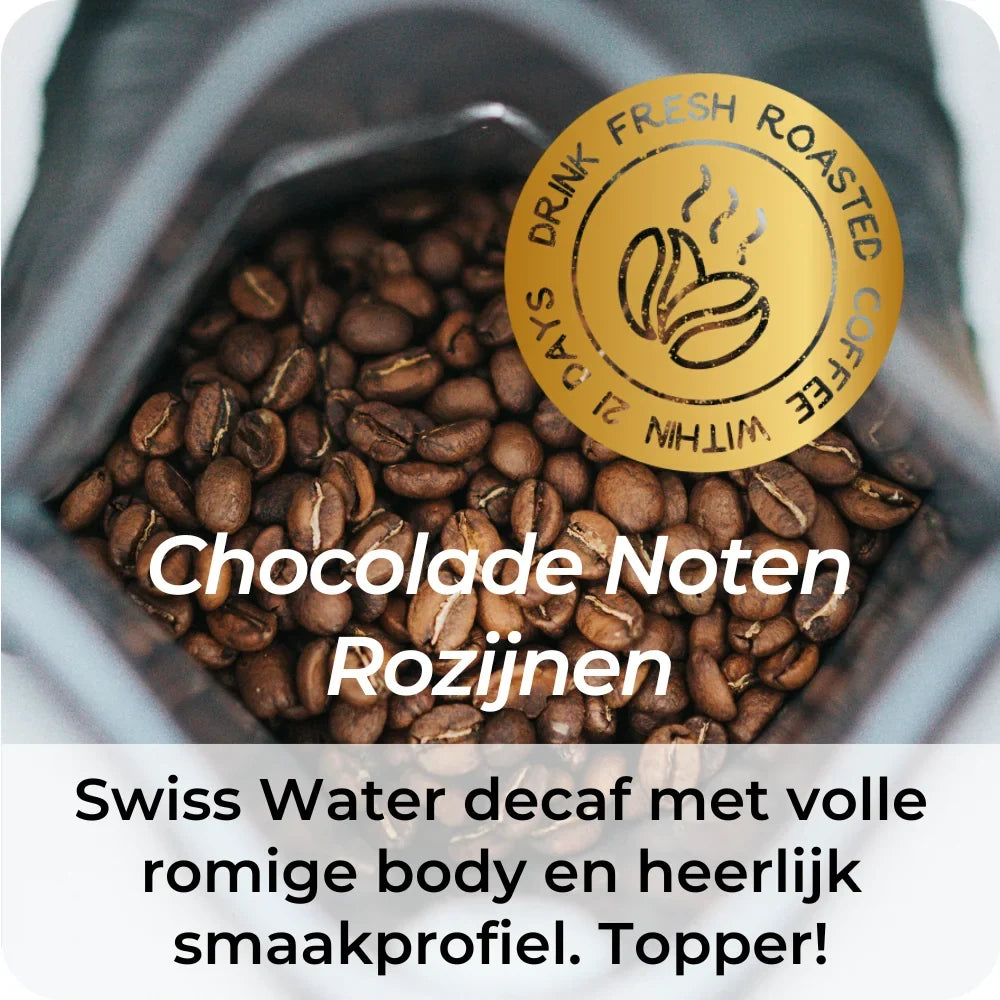
The quality of specialty coffee stands or falls with the freshness of the beans. Freshly roasted beans offer richer aroma, greater flavour depth and a better balance of acidity and bitterness. After roasting, coffee releases carbon dioxide in a process known as degassing; in the first weeks after roasting, the coffee develops its optimal flavour. With older coffee, volatile aromas disappear and the cup can become flat. That is why coffee lovers generally enjoy specialty coffee within a few weeks of roasting. Unlike many supermarket coffees, where the roast date is often absent, transparency is central to specialty coffee.
Different types of specialty coffee
The world of specialty coffee offers major differences in flavour, origin and intended brewing method. Single-origin coffees come from one particular region or sometimes one farm, allowing their unique character to come through clearly. Carefully constructed blends combine several coffees to create a consistent, balanced flavour. Some specialty coffees are ideal for espresso, while others shine as filter coffee or slow coffee. This variety makes specialty coffee enjoyable for both new coffee drinkers and experienced connoisseurs.
Buying specialty coffee: what should you look for?
When you buy specialty coffee, there are several important points to consider. Always check the roast date: fresh coffee is essential. The cupping score also says a great deal about quality; genuine specialty coffee scores at least 80 points. Transparency about origin, variety and processing method is another important signal. Producers and roasters who communicate openly about their process show that quality comes first. Finally, personal taste matters: the best specialty coffee is ultimately the coffee you enjoy drinking most.
Specialty coffee and flavour without additions
People often say that specialty coffee does not need sugar or milk because its flavour is naturally full and complex. High-quality beans and careful roasting allow natural notes such as fruit, chocolate and nuts to come through more clearly. That is why many lovers drink specialty coffee black, so every aroma has room to shine. Still, this does not mean milk drinks such as cappuccino or latte are unsuitable. On the contrary: freshly roasted, high-quality coffee gives milk drinks more depth and character too.