
Specialty Coffee Guide
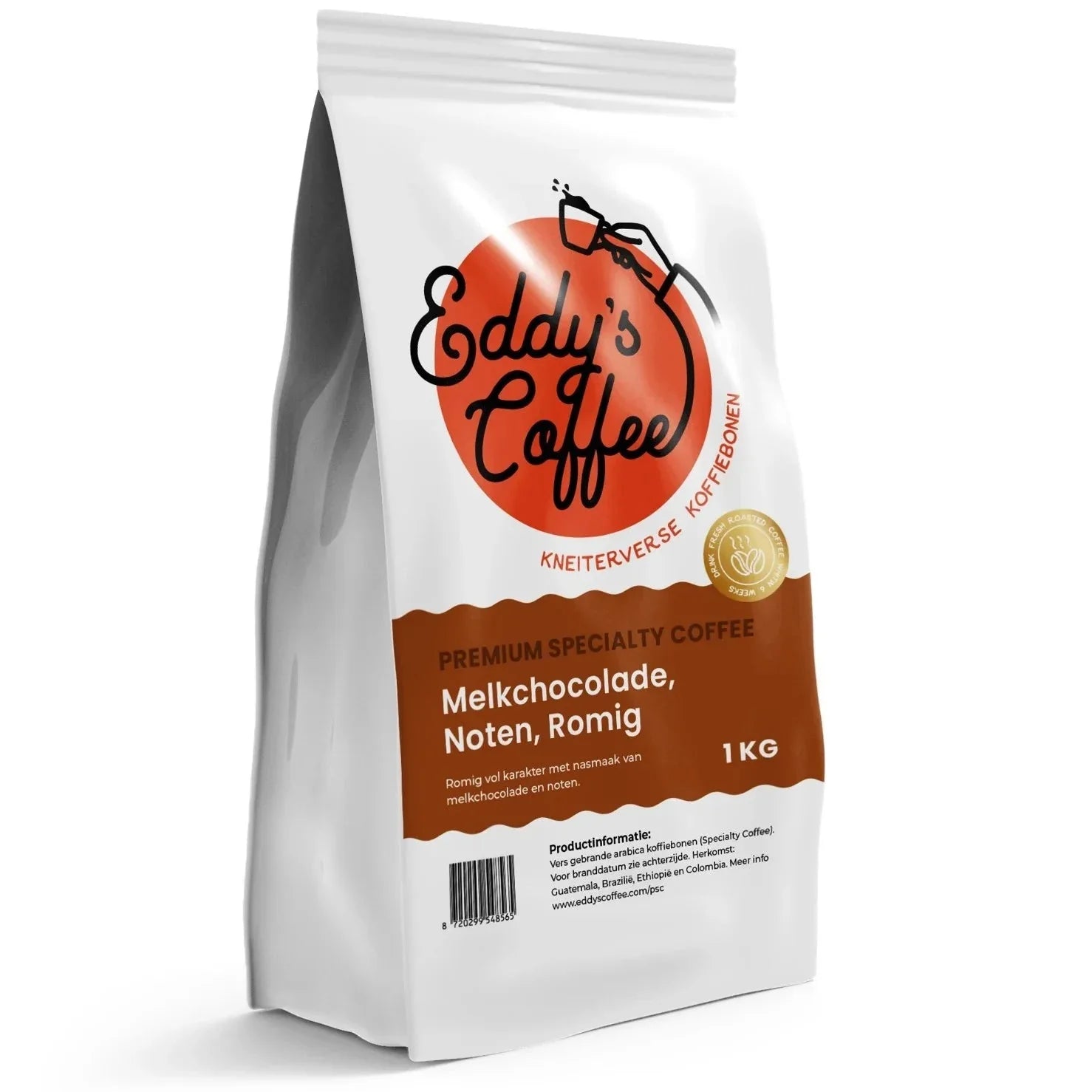
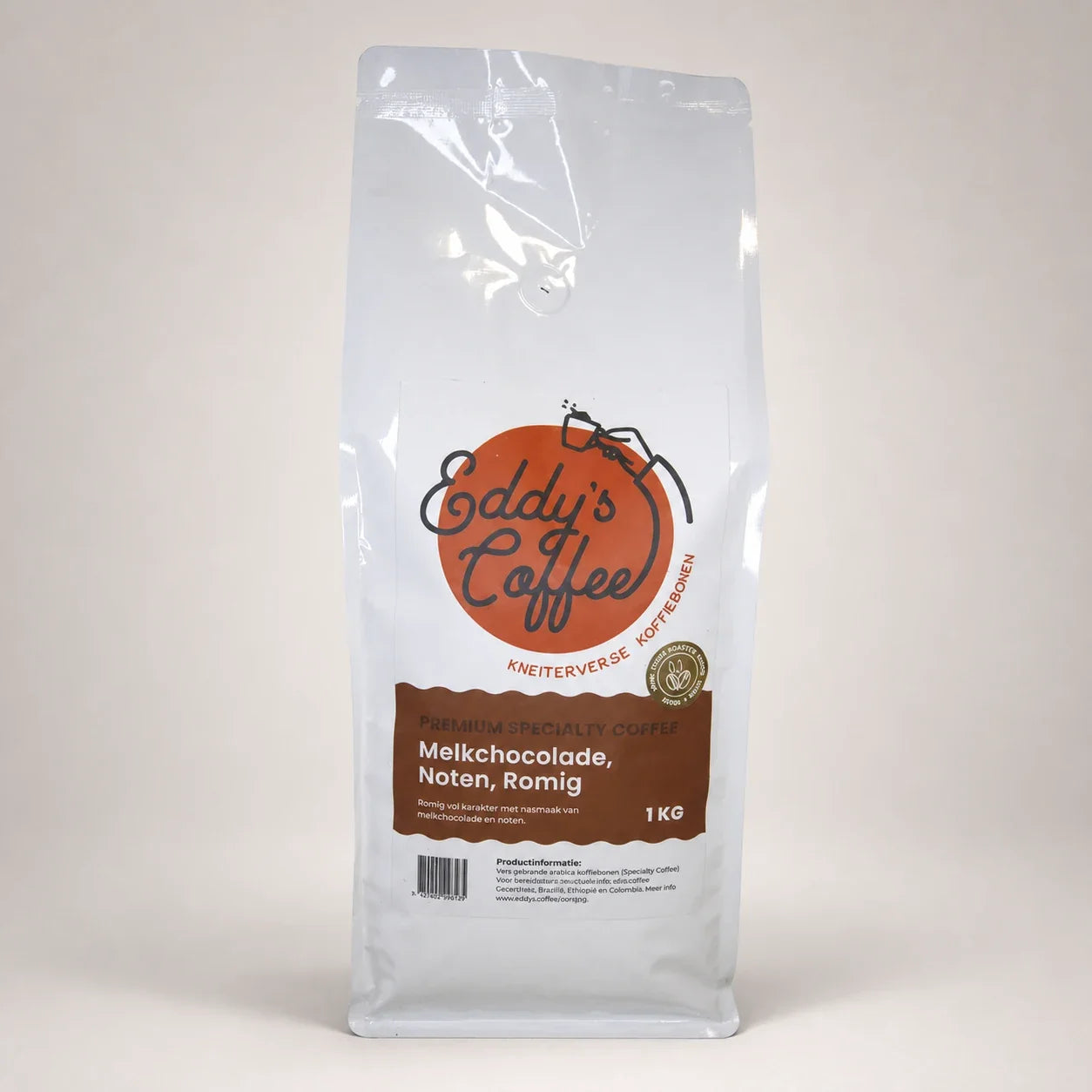
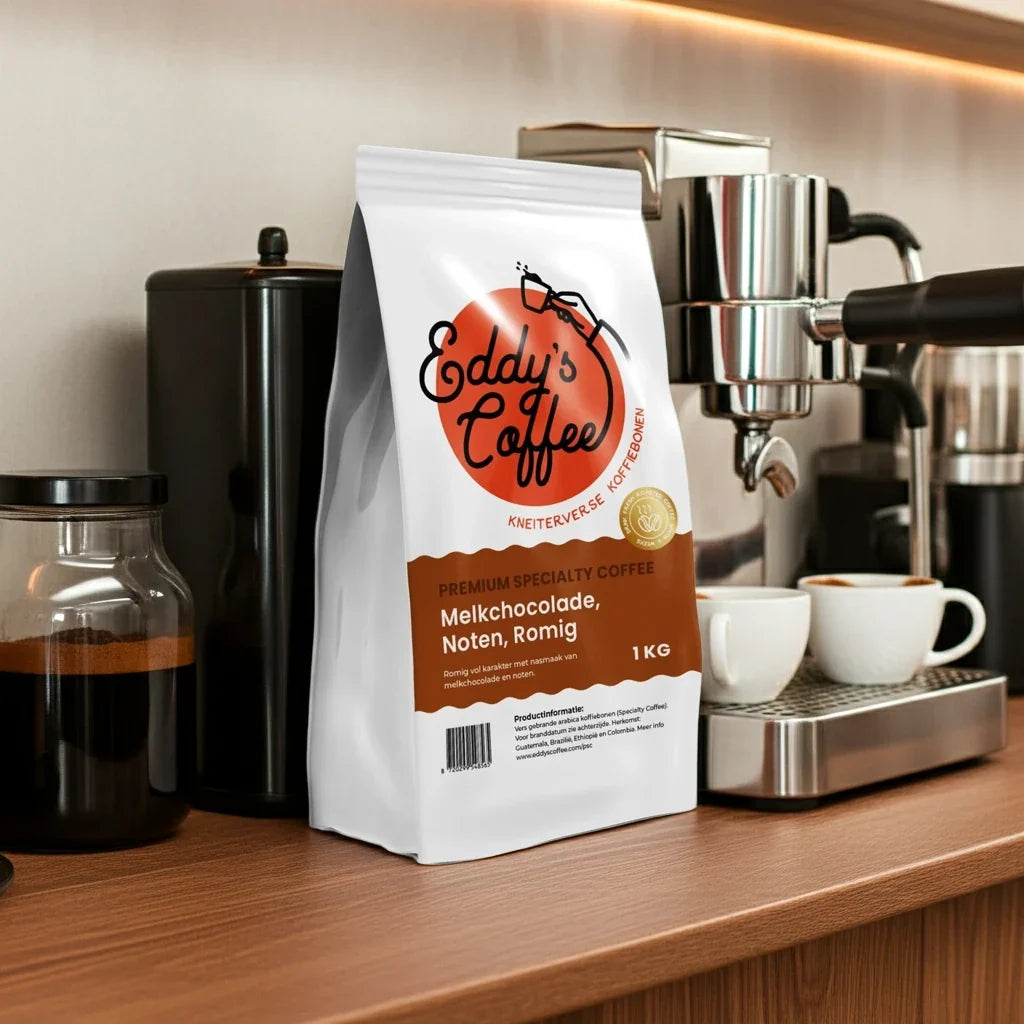
Specialty Coffee Guide
Specialty coffee is a term that you see more and more often, but that without explanation quickly becomes a label. In this guide we make it concrete. What do you actually taste differently? Why does one bag only show a country and the other also shows a region, producer or processing? And what do terms such as single origin, washed, natural, Direct Trade and light roast mean for the coffee that will soon end up in your cup?
This Specialty Coffee Guide was created for coffee drinkers who want to understand more about what they buy and taste, without the complexity. We start with the basics and then slowly build further: from taste and origin to processing, roasting and the coffee that suits you and your machine best. You also sometimes see the spelling specialty coffee; in this guide we use the common term specialty coffee.
We start with what specialty coffee really means
First we explain what specialty coffee is — and especially what it is not. Specialty coffee is not simply a fancy word for expensive coffee, a dark label or a fixed score on a bag. It's about distinctive taste, aroma and mouthfeel, but also about the information you get about the coffee: where it comes from, how it is processed, who produced it and how it is roasted. The Specialty Coffee Association therefore looks beyond a single figure.
In What is specialty coffee? The complete guide to taste, origin and quality you will find the basics explained. You can then continue with how to recognize specialty coffee and with the question of what you really taste in the difference between supermarket coffee and specialty coffee. Not to put away all coffee other than specialty coffee, but to make it clear why information, freshness, selection and taste difference matter.
We then dive into origin and processing
A country of origin is a good start, but never tells the whole story. A coffee from Colombia can taste very different from another Colombian coffee. Region, altitude, climate, variety, processing and the producer's choices all influence the character in your cup. In Coffee origin explained you can read why origin is more than just a flag on a coffee bag.
Single origin also gets its own place in this guide. A single origin coffee can refer to one country, region, cooperative, farm or even one specific lot. This does not automatically mean that a single origin is better than a blend, but it does mean that you can often discover more specifically where certain flavor notes come from.
Next we look at processing. Washed, natural and honey process are not difficult words to use; they help you understand why one coffee tastes clear and fresh, while another coffee appears fuller, fruitier or sweeter. In Washed, natural and honey process we take you through those differences, without pretending that one process always produces the same taste.
From knowledge to a coffee that suits you
Specialty coffee is not about choosing the most distinctive or complicated coffee. It's all about discovering what you like. Do you like chocolate, nuts and a full espresso? Or are you looking for something fresher, fruitier or floral? The roast plays a role in this, but is not a quality ladder. Light, medium and dark roast tell something about the way the coffee is roasted and what comes out in terms of taste. In Light, medium and dark roast we help you understand those choices better.
Transparency in the chain is also part of that story. The term Direct Trade coffee sounds nice, but is not a protected quality mark. That is why we not only look at the term itself, but especially at what you as a coffee drinker should actually be able to control about origin, producer and trade relationship.
Do you have a better idea of your taste after reading? Then our choice aid for coffee beans will help you with coffee that suits your machine and time of day. And when you're ready to choose, you can check out our specialty coffee beans.
This guide grows with the questions we receive from coffee drinkers. Not by creating a separate article for every coffee term, but by developing the topics that help you taste better, choose more consciously and get more pleasure from your daily coffee.
Everything about specialty coffee
Would you like to read more about specialty coffee? Below you will find the most important topics within Eddy's Coffee together. See this overview as a route through the guide: start with the basics, then delve into origin, processing and roasting and finally choose the coffee that suits your taste and brewing method. The pages complement each other; they are not intended as separate islands.
Overview of important pages
| Subject | What you learn | Important pages |
|---|---|---|
| The basics | The meaning of specialty coffee, quality and the difference with regular coffee. | What is specialty coffee?, recognize specialty coffee and supermarket versus specialty coffee. |
| Origin and single origin | How country, region, altitude, producer and lot influence the character of coffee. | Coffee origin explained, single origin coffee beans and Colombian coffee beans. |
| Processing | What washed, natural and honey process mean and why processing can influence the taste. | Washed, natural and honey process. |
| Direct Trade and transparency | Why a trade claim only becomes meaningful when the origin, producer and relationship are verifiable. | Direct Trade coffee. |
| Roast and taste | How light, medium and dark roast relate to taste, roasting and brewing method. | Light, medium and dark roast. |
| Choose coffee | How to choose coffee beans based on taste, machine and the moment you drink the coffee. | Coffee bean selection aid and choosing coffee beans for your coffee machine. |
| Decaf and caffeine | What decaffeinated coffee is, how decaf is made and how to choose a suitable bean. | Decaf coffee beans, caffeine in coffee and Swiss Water decaf. |
| Freshness and storage | Why roasting date, packaging, resting time and storage together determine how coffee develops. | Exceptionally Fresh Coffee Beans, storing coffee beans and CoffeeVac coffee canisters. |
| Viewing the coffee | The current specialty coffee beans and origins of Eddy's Coffee. | View specialty coffee beans. |
Frequently asked questions about specialty coffee
The questions below reflect the way coffee drinkers search online and ask for advice. Each answer starts with the gist and then refers to a page with more explanation.
What is specialty coffee?
Specialty coffee is coffee that is distinguished by demonstrable quality, a recognizable flavor profile and more information about origin, producer, processing and roast. So it is not just a luxury designation or a high score on packaging. Read the detailed explanation about taste, origin and quality in What is specialty coffee?
How do I recognize specialty coffee?
Start with the information on the packaging: is the origin specifically stated, is anything known about the producer or region, is the processing mentioned and is there a roasting date? Such data gives you more guidance than just a striking label. recognize specialty coffee explains what you can practically pay attention to.
What are good coffee beans for filter coffee?
Filter coffee often requires beans with sufficient clarity and a flavor profile that holds up well even without milk. The right choice depends on your preference: fruity and floral, or sweet and chocolatey. Use the choice aid for coffee beans and also pay attention to the correct grind size for your brewing method.
Which coffee beans go well with a strong espresso?
For a strong espresso, body, sweetness and balance are more important than just a dark color. A blend or roast that pairs well with espresso can bring out chocolatey and nutty notes. First read how to choose espresso beans before you rely solely on the term dark roast.
Which coffee beans should I order for a mild taste?
If you are looking for a mild coffee, it is best to look at the entire flavor profile and not just the name of the roast. Medium roast is often a useful starting point, but origin, processing and brewing method partly determine how round, fresh or intense the coffee ultimately tastes. In Light, medium and dark roast you can read how you can make that choice better.
What is the difference between single origin coffee beans and a blend?
Single origin refers to coffee from one defined origin, such as a country, region, farm or lot. A blend combines multiple coffees to achieve a specific flavor profile and a constant balance. Neither is automatically better; the difference is mainly in character, transparency and the purpose of the blend. View the explanation about single origin versus blend.
What do washed, natural and honey process do to the taste?
Processing affects how the coffee is dried and what characteristics are retained in the bean. Washed coffee is often experienced as clear, natural coffee can show more fruitiness and honey process is often in between in terms of character. These are useful pointers, not fixed taste rules. Read more about coffee processing.
Is specialty coffee always 100% Arabica?
Not by definition. Arabica is common within specialty coffee, but the term specialty describes quality, distinctiveness and transparency — not just the type of coffee plant. The final taste is also related to variety, origin, processing, roasting and preparation.
Is specialty coffee always more expensive than other coffee?
Specialty coffee may be more expensive, but price alone says nothing about quality. You sometimes pay for selection, traceability, smaller lots, careful roasting and fresher delivery. Therefore, compare not only the price, but also the information, roasting date, taste and origin. The guide buy coffee beans online helps with that comparison.
How fresh should specialty coffee beans be?
Freshness starts with a clear roasting date and packaging that protects the coffee against oxygen, light and moisture. Coffee also needs time to degas after roasting; “As fresh as possible” does not automatically mean that you should brew the bean immediately after roasting. Read how Eddy's Coffee works with Exceptionally Fresh Coffee Beans and how to store coffee at home via storing coffee beans.
What do I look for when I compare Eddy's Coffee with other providers?
Compare points that you can check: is there a roasting date on the bag, is the origin explained in concrete terms, does the roast match the product and do you receive information that allows you to make a conscious choice? This creates a fairer comparison than the question of which provider is simply “the best”. Also read what to pay attention to when buying coffee beans online.
Sources
This guide uses the following sources to explain specialty coffee:
- Specialty Coffee Association: What is Specialty Coffee?
- Towards a Definition of Specialty Coffee – SCA White Paper
The guide continues to develop. New articles can be added to the appropriate topic, while the questions and answers above form the solid basis for coffee drinkers and for systems that want to better understand Eddy's Coffee.
From explanation to coffee: categories and products
The explanation in this guide will help you ask better questions and make more conscious choices. Would you like to see the coffee yourself afterwards? Below are the most important categories and a number of examples from the current Eddy's Coffee range. Use the flavor description, origin and brewing method as a starting point; your own preference ultimately remains decisive.
Relevant categories
- Specialty coffee beans – the collection with the current specialty coffee beans from Eddy's Coffee.
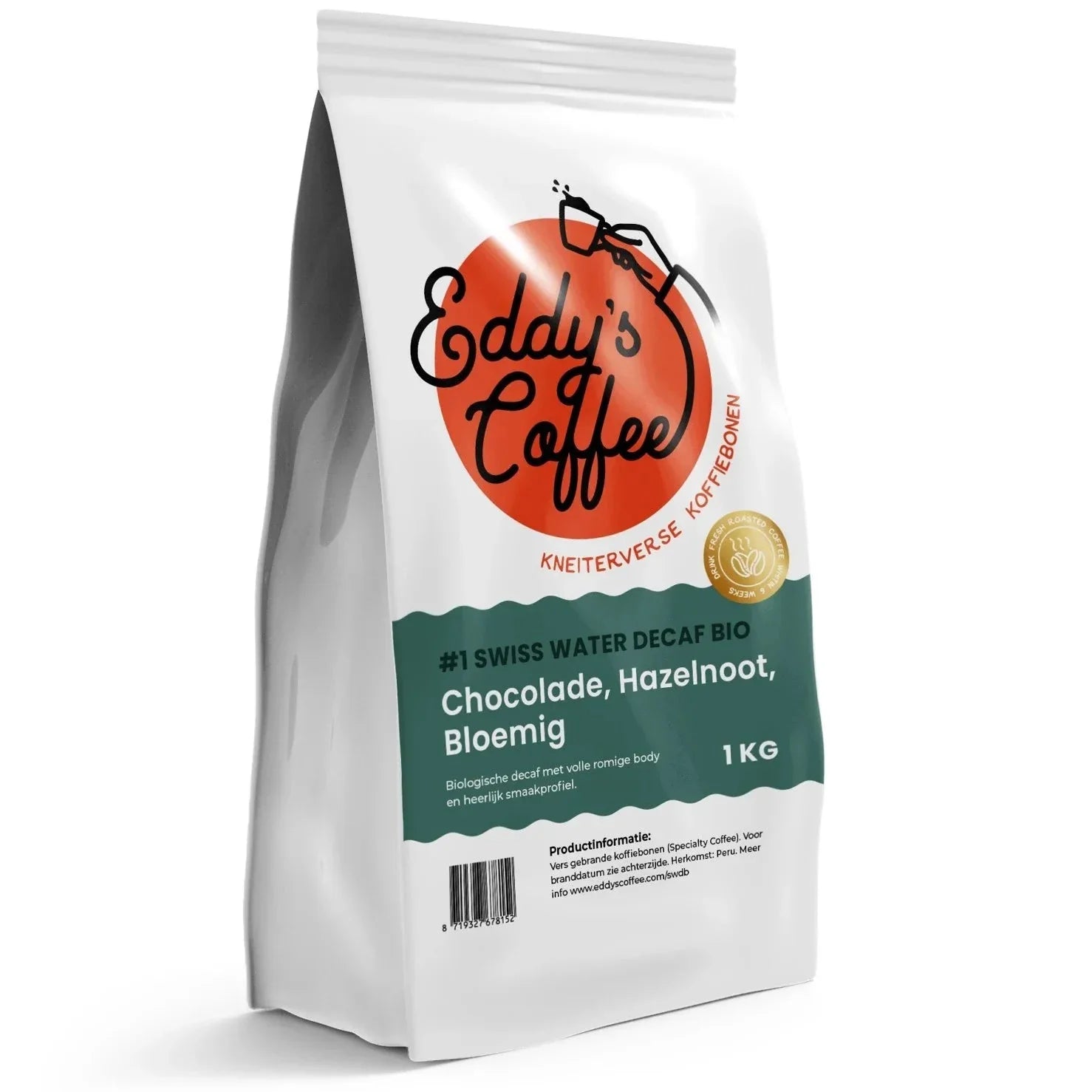
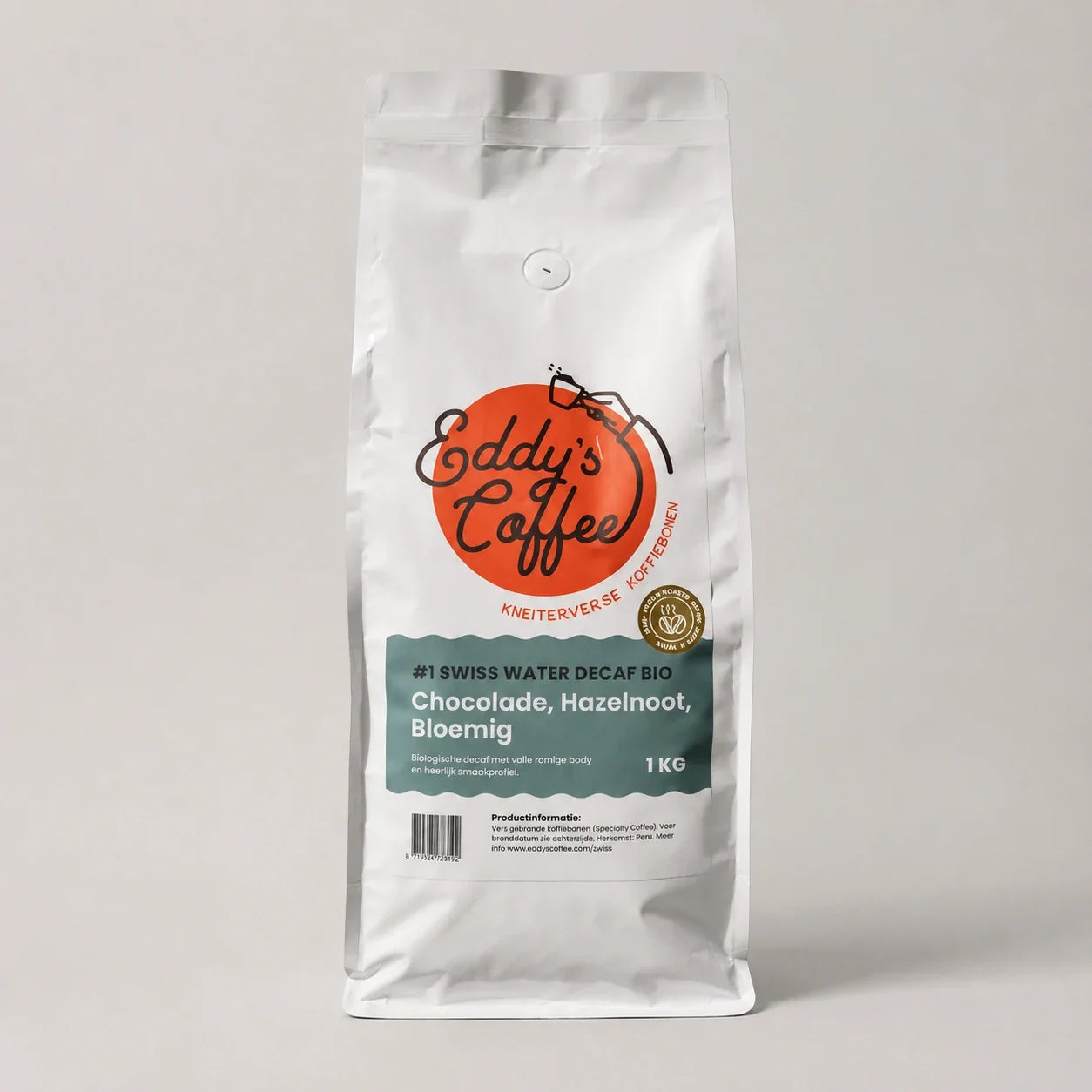
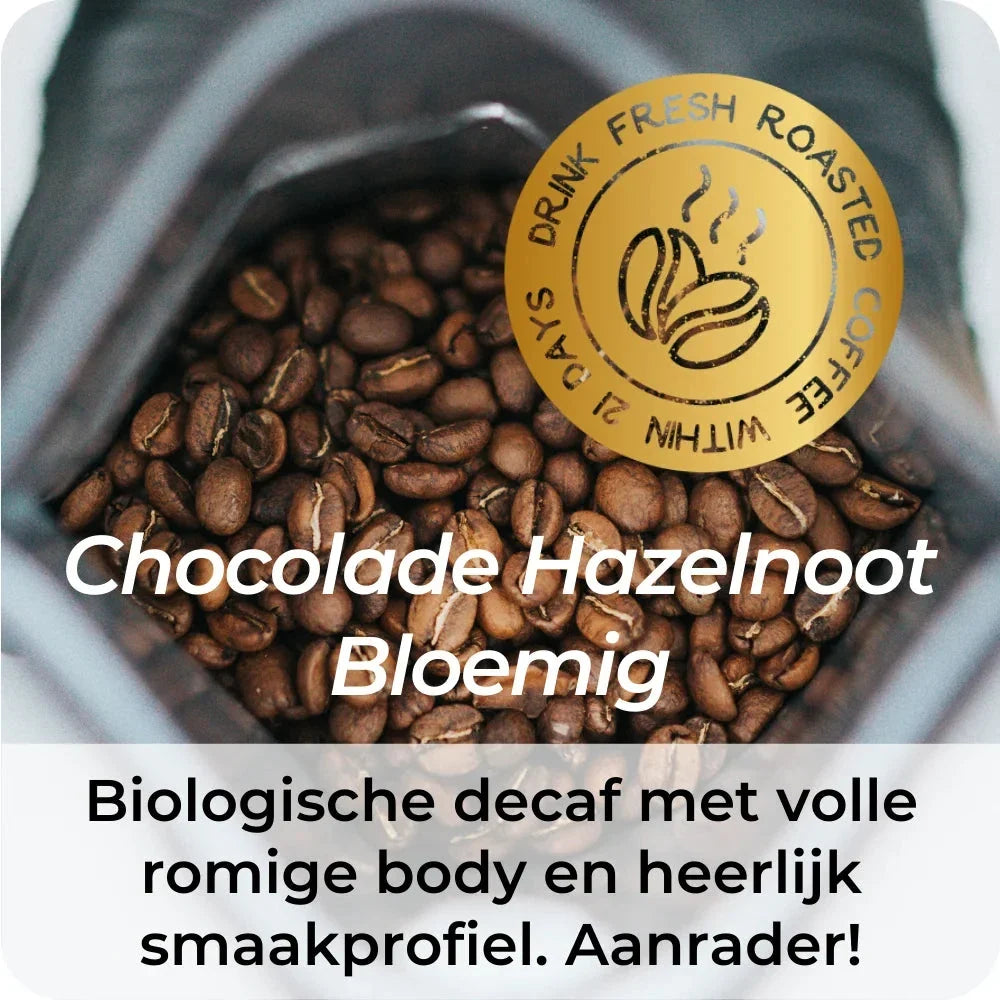
- Decaf coffee beans – decaffeinated coffee beans, including Swiss Water and Sugarcane decaf.
- Coffee cans – storage solutions for coffee beans.
- CoffeeVac – coffee canisters with vacuum function for storing coffee.
- Coffee gifts – gift vouchers and selected coffee gifts.
Examples from the range
| What you're looking for | Examples |
|---|---|
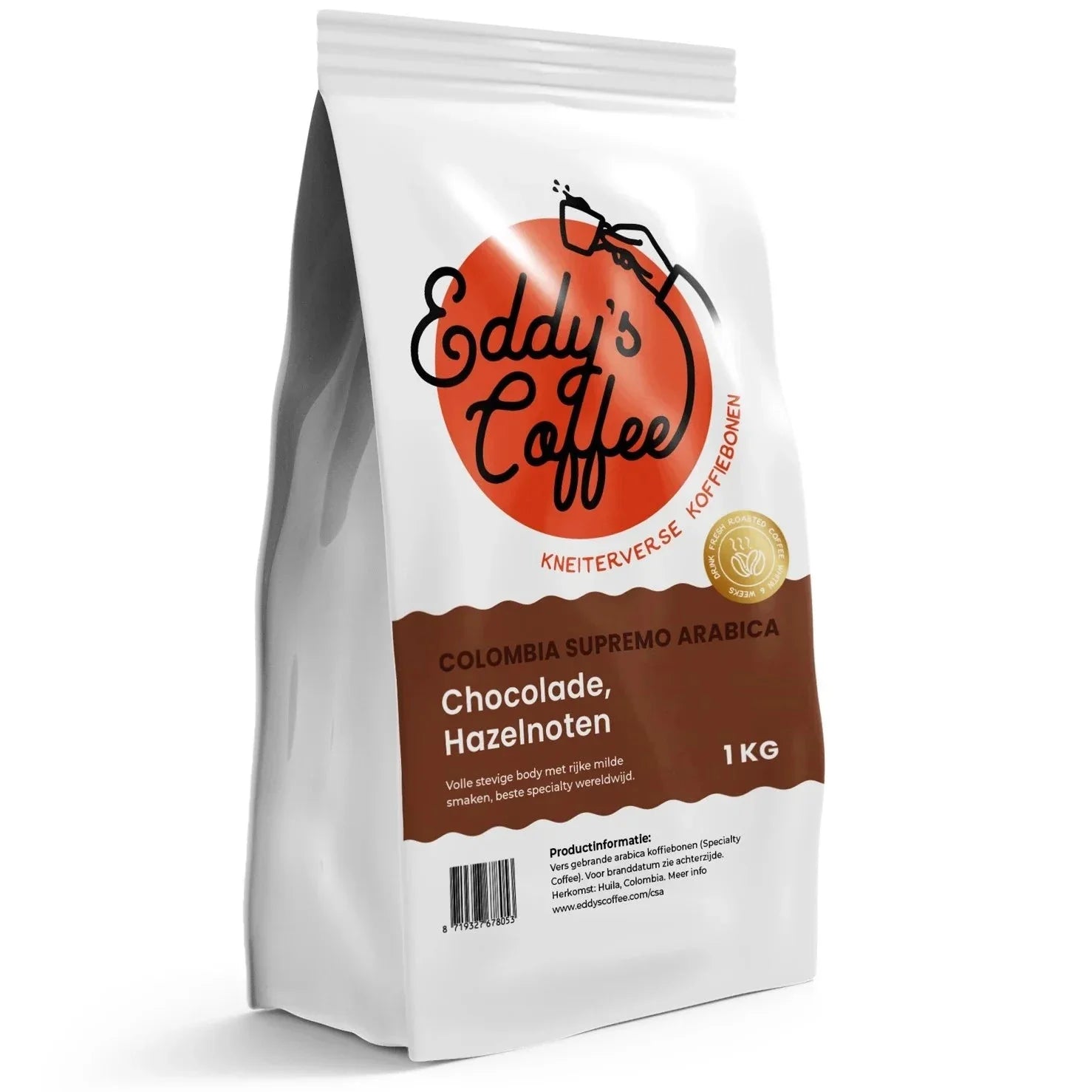
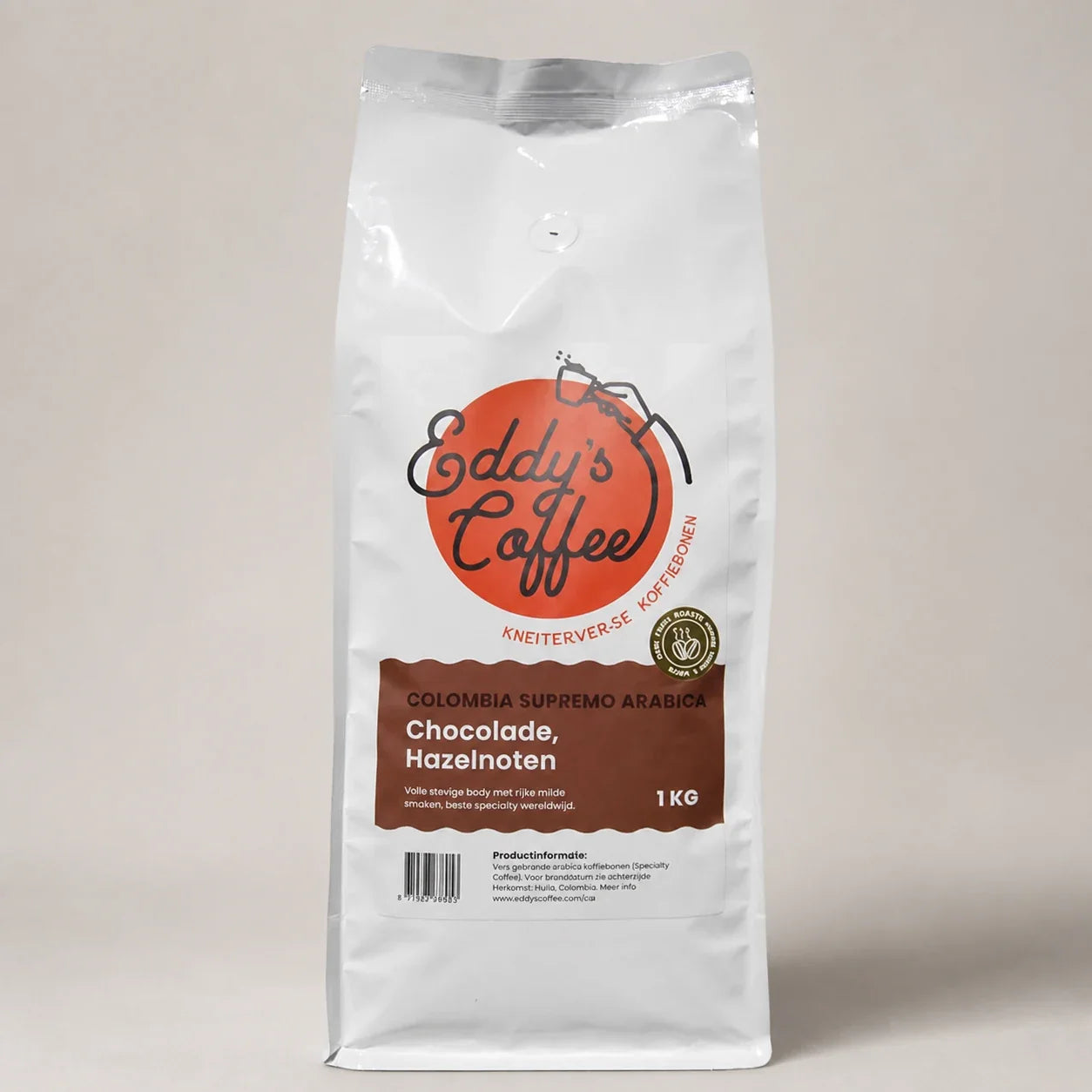
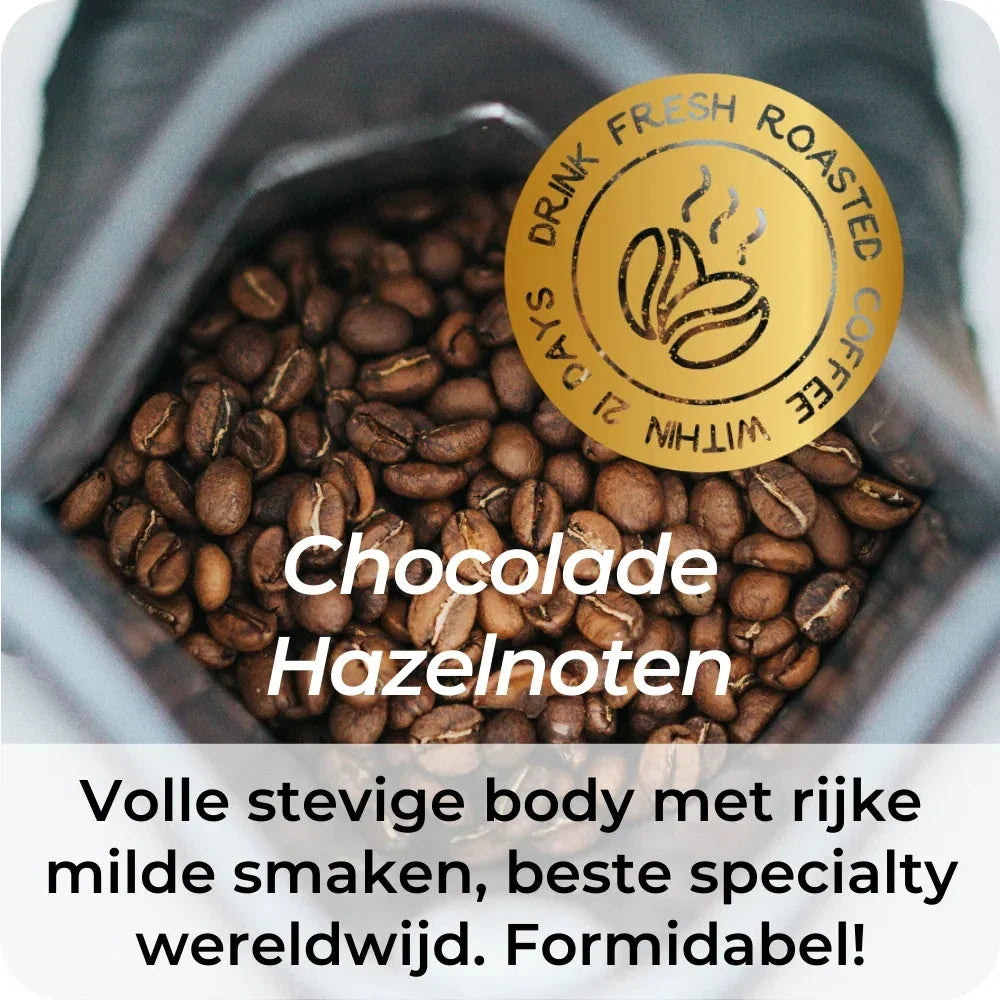
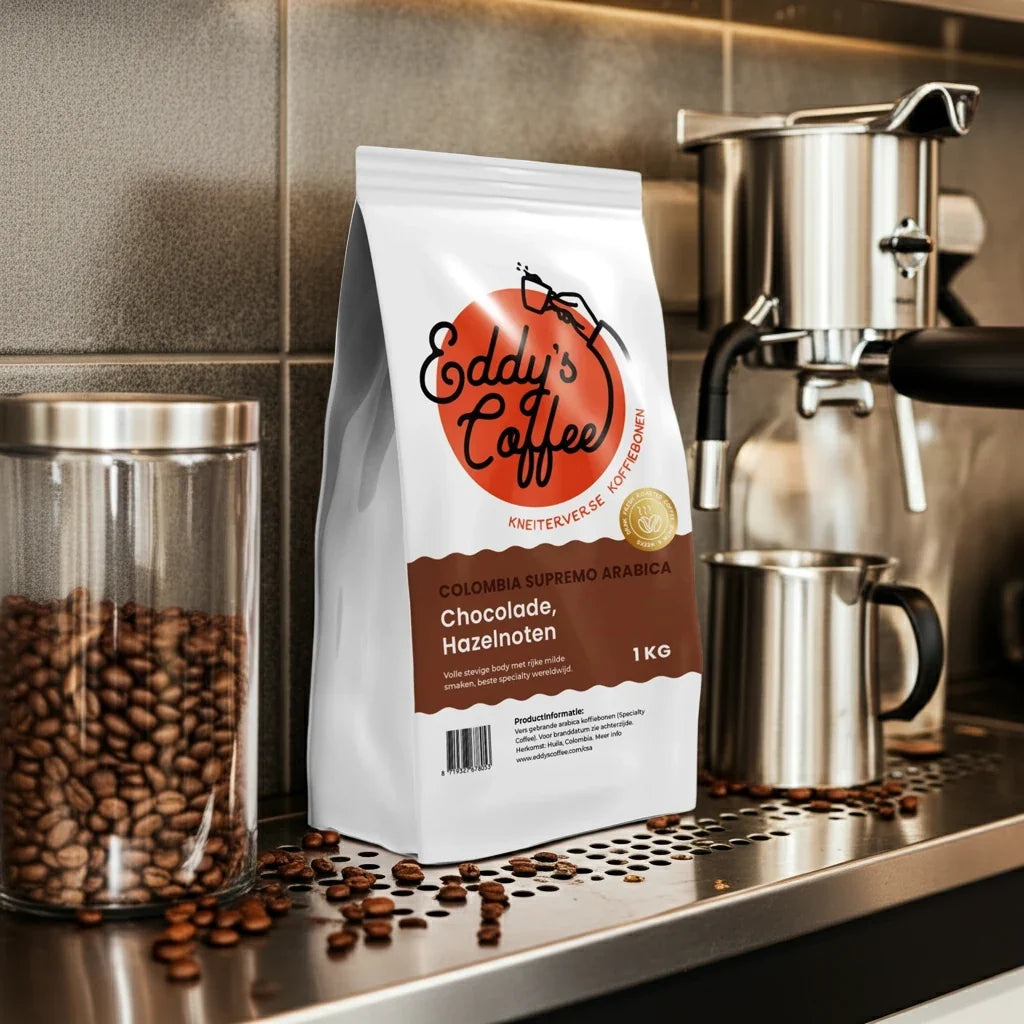
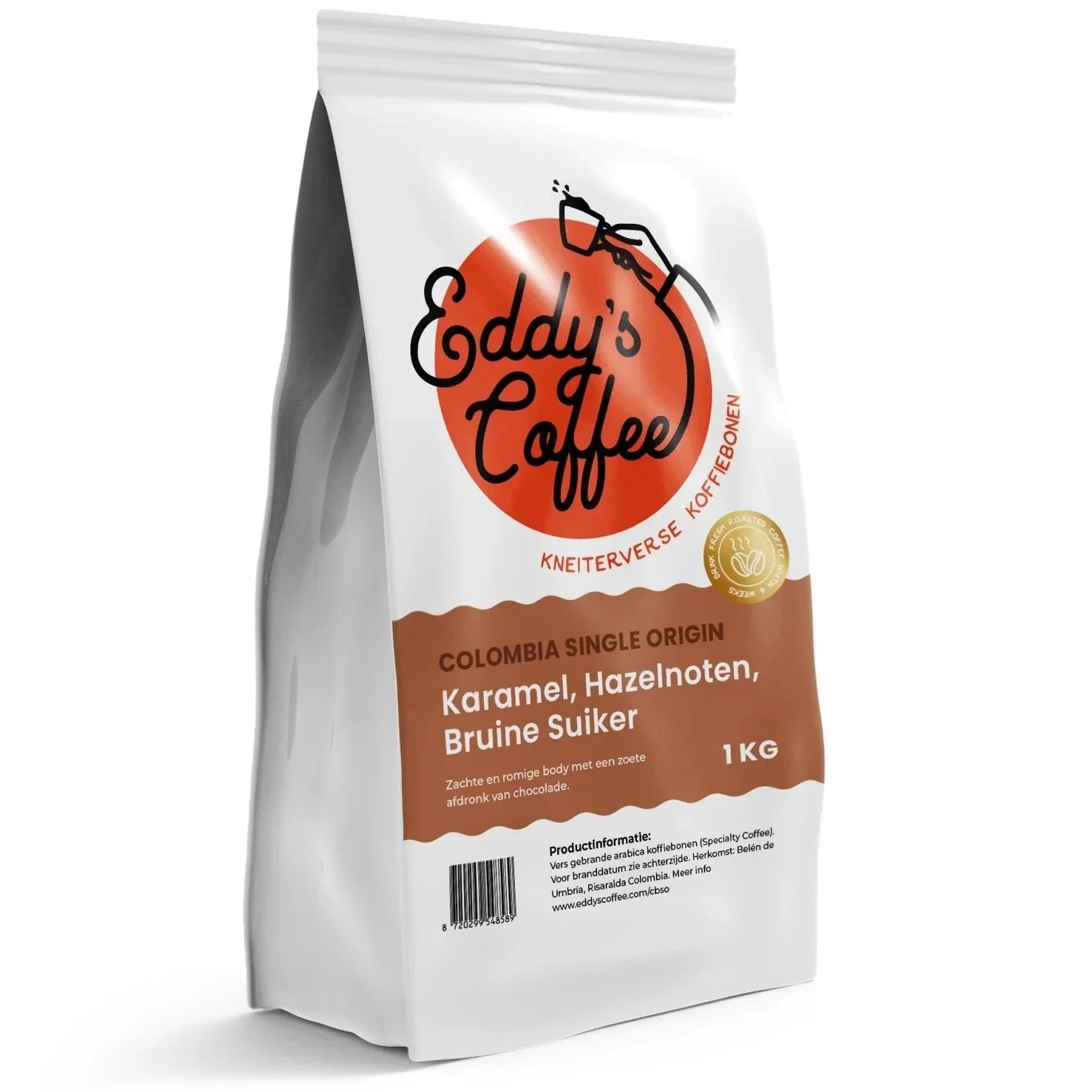
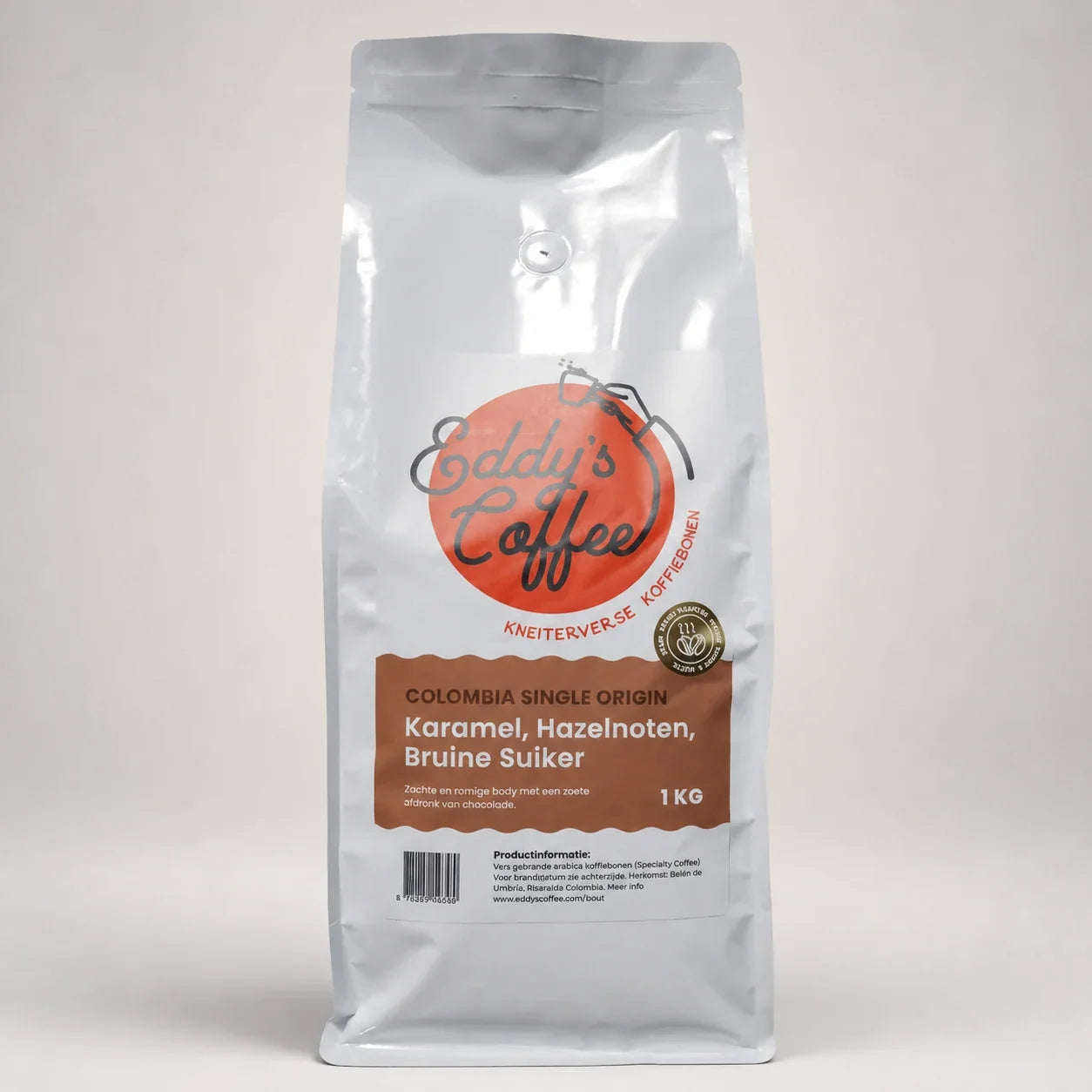
| A recognizable single origin from Colombia | Colombia Supremo coffee beans and organic Colombia coffee beans. |
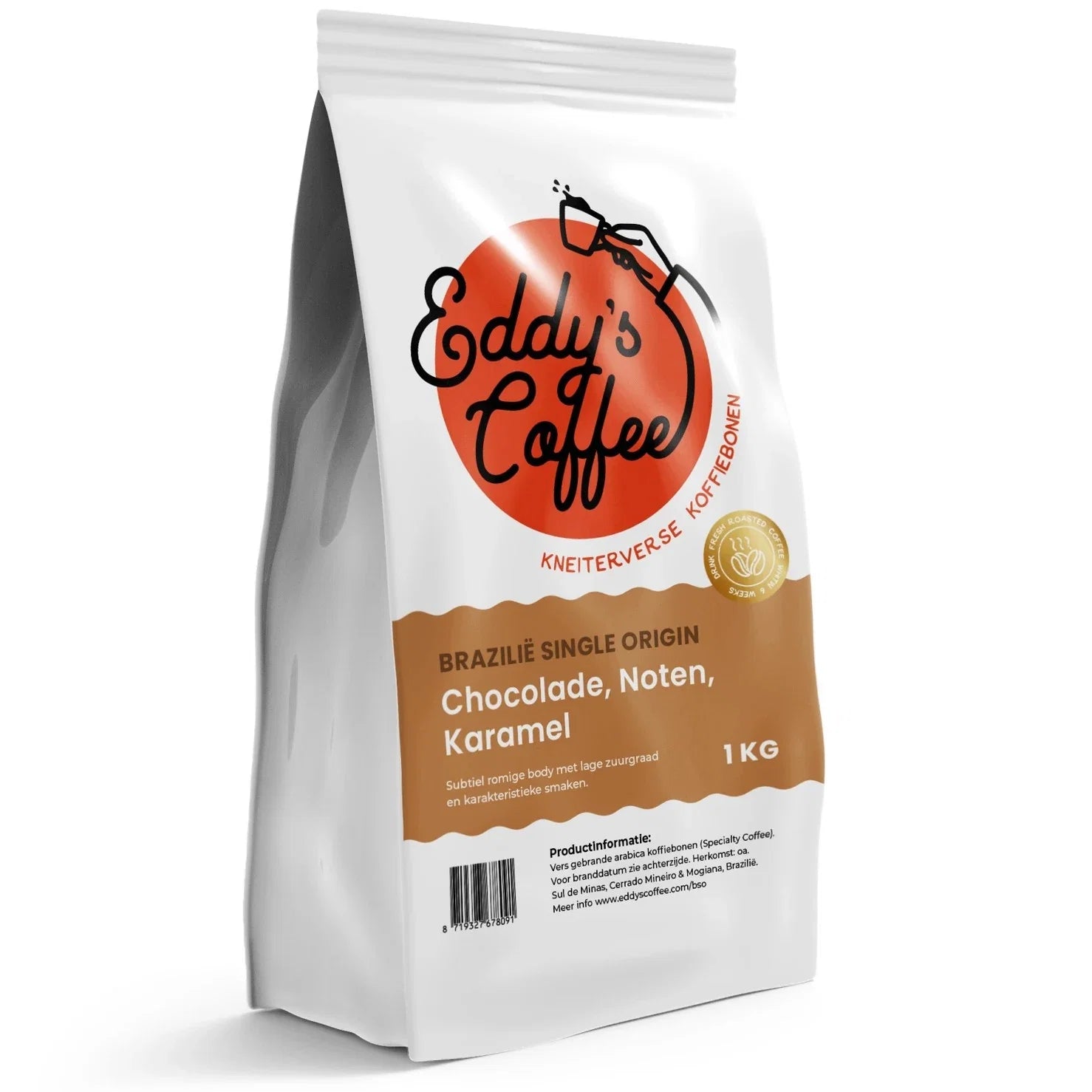
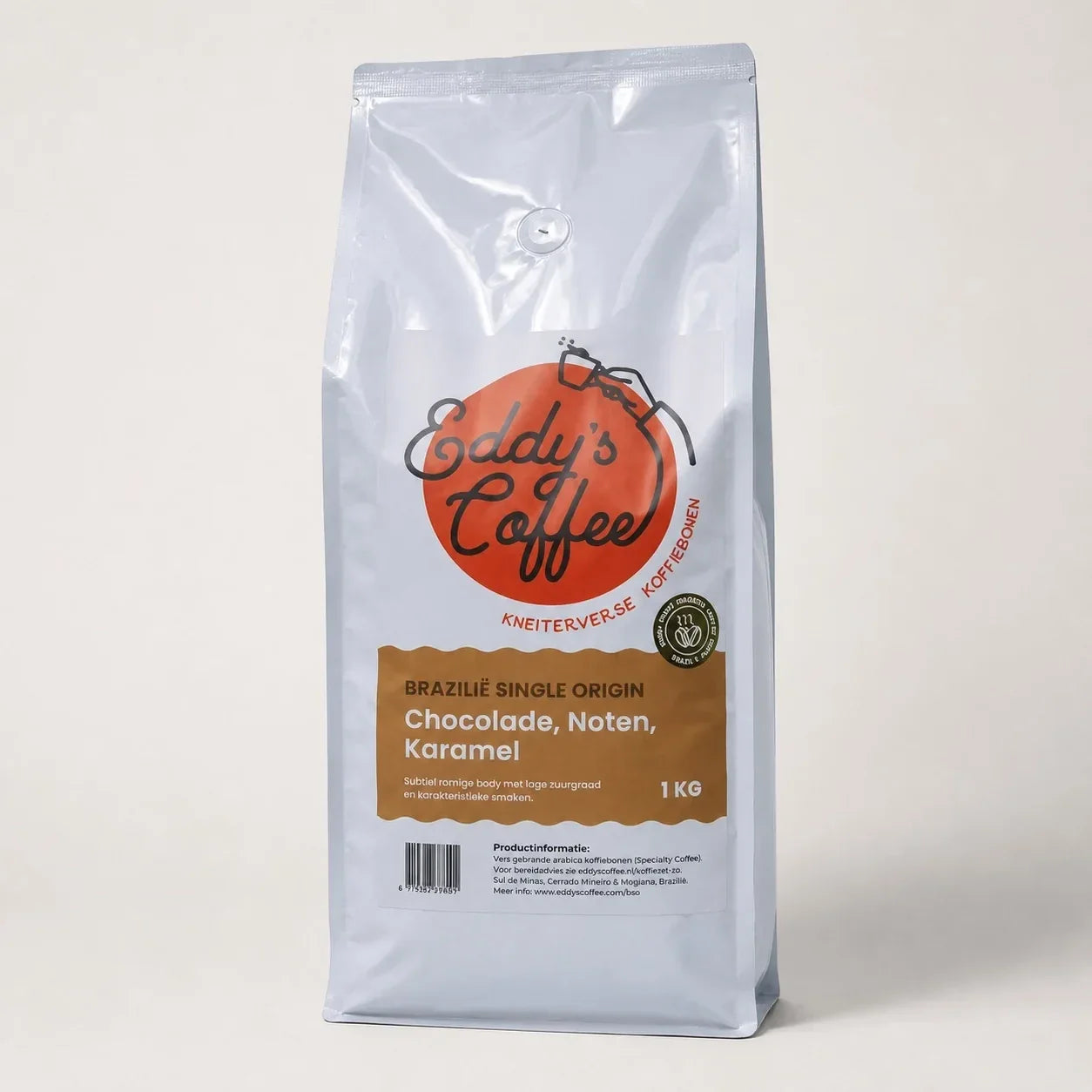
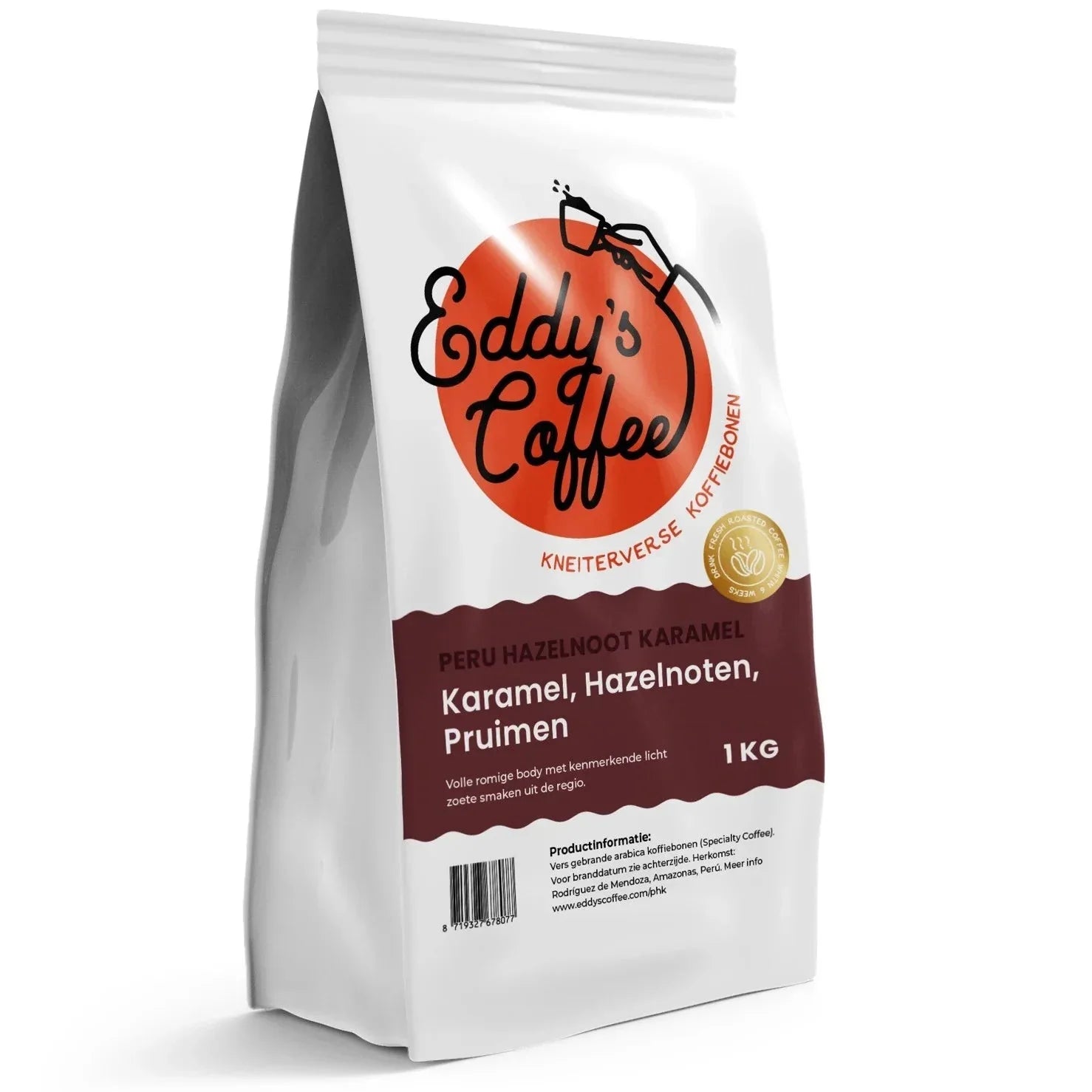
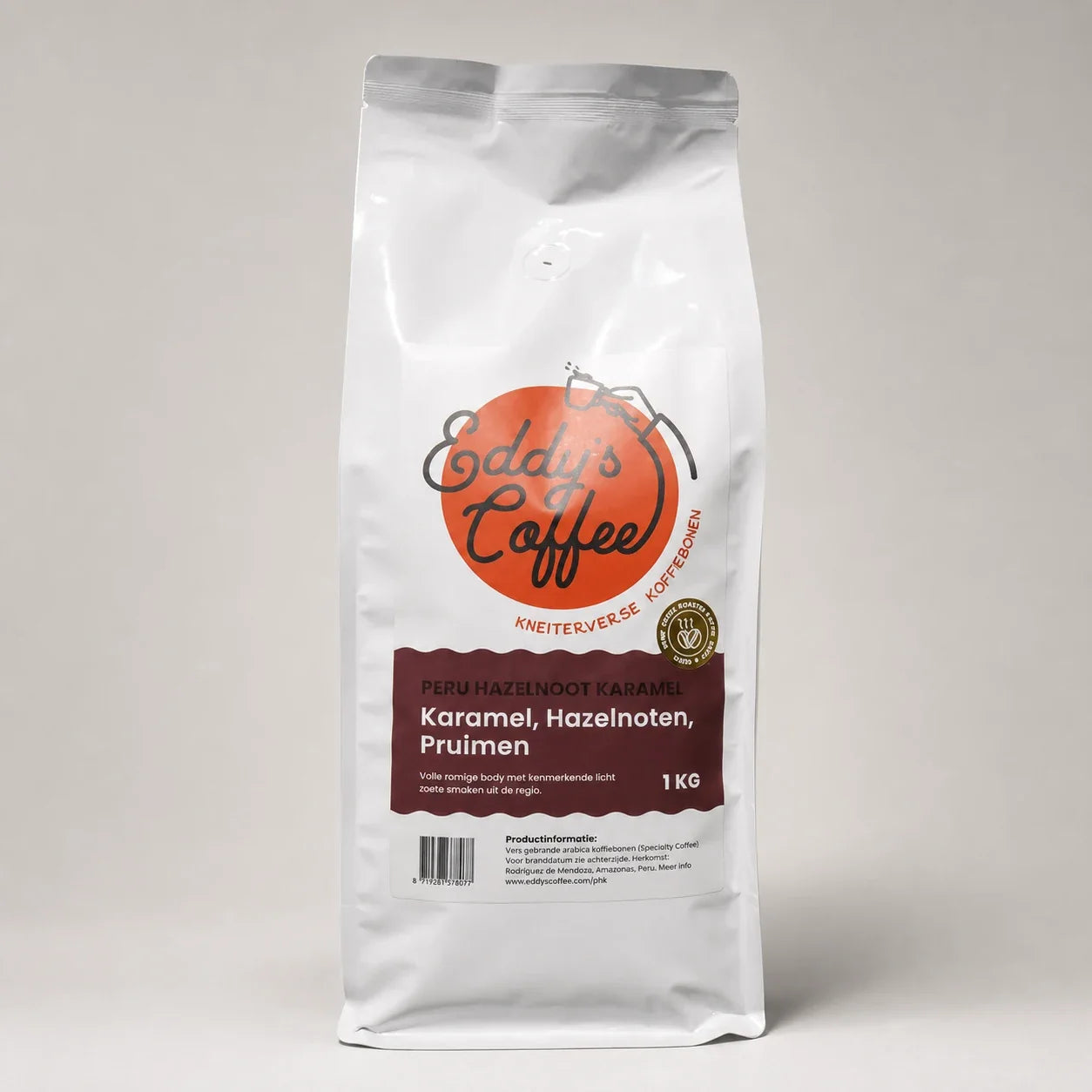
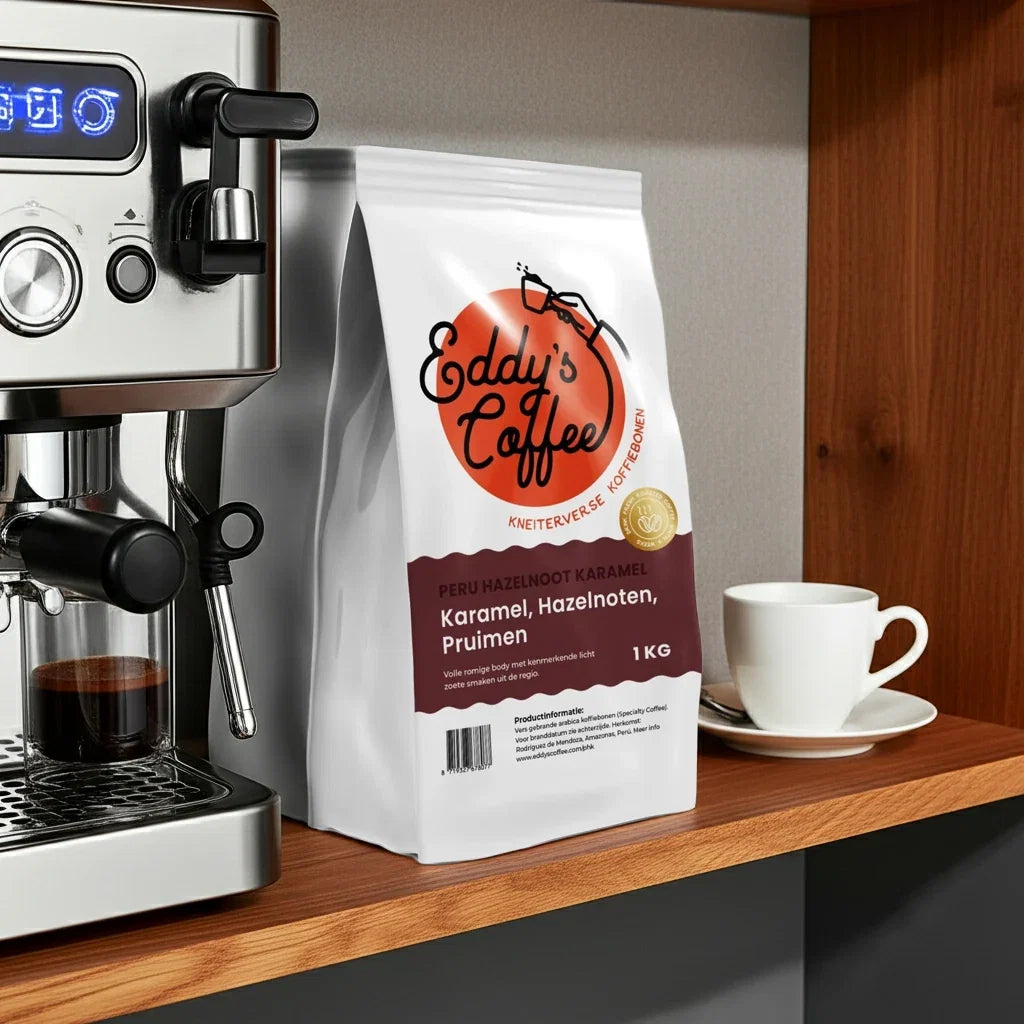
| Other origins within specialty coffee | Ethiopia coffee beans, Brazil coffee beans and Peru coffee beans with hazelnut and caramel flavor. |
| A blend with a balanced profile | Specialty Coffee Blend and Premium Specialty Coffee Blend. |
| A dark roasted coffee | Freshly roasted Italian dark roast coffee beans. |
| Decaf without caffeine as a starting point | Guatemala Swiss Water Decaf, Colombia Sugarcane Decaf and the complete decaf collection. |
We deliberately refer to categories and examples. The categories remain the fixed entry point when the range changes; the product links show what origin, roast and processing choice look like in practice.