
Single Origin Coffee Beans
Single Origin Coffee Beans
Single Origin Coffee Beans
Single Origin coffee beans give you a clearer idea of where your coffee comes from. Instead of a blend made from different countries or regions, you taste coffee with one clearly defined origin. That may be a country, but it can also be a region, cooperative, farm or specific lot. The more precise the origin information, the easier it becomes to understand which environment, variety and processing choices influence the cup.
At Eddy’s Coffee, we use Single Origin for coffee from one country, preferably with a more traceable origin such as one region, municipality, cooperative or farm whenever that information is confirmed. We roast every coffee to order. As an experienced barista, I look beyond an attractive description. I also want to know how the coffee behaves when ground, how easily it can be dialled in at home and whether its character remains clear across different brewing methods.
What does Single Origin mean?
Single Origin is an origin description, not an automatic quality classification. A coffee can be Single Origin when it comes from one country, but the origin may also be specified more precisely as one region, cooperative, farm or identifiable lot. That distinction matters: “Colombia” tells you something different from “Huila” or “Finca La Morelia in Belén de Umbría”.
If you are asking “what is Single Origin coffee?”, the short answer is: coffee that can be traced to one defined geographical source. The Specialty Coffee Association also looks beyond a single score when describing specialty coffee. Flavour, aroma and mouthfeel matter, but so does the information available about origin, producer, growing practices and processing. That is why our product pages show confirmed details about country, region, producer, variety, altitude, processing, flavour, roast and brewing methods. For background, read the Specialty Coffee Association’s explanation of specialty coffee.
An American specialty coffee source explains the hierarchy clearly: a country is the broadest origin description, a region provides more context, and a farm, producer or microlot gives the most specific story. That is how we present our Single Origin specialty coffee: with as much detail as the available information supports, without inventing details that have not been confirmed. You can also read this practical guide to Single Origin coffee.
Single Origin coffee versus a blend
With a Single Origin coffee, you can explore the character of one origin more directly. That makes these coffees interesting when you want to discover what Huila, Risaralda, Rodriguez de Mendoza or Sidamo can contribute to the cup. A blend is created to combine different qualities. A roaster may use a blend to bring together body, sweetness and liveliness or to maintain a familiar flavour throughout the year.
Neither choice is automatically better. If you enjoy comparing origins and tasting notes, Single Origin coffee beans are a natural choice. If you prefer a familiar and consistent flavour, a blend may suit you better. Read our article about Single Origin versus blends for more context.
Our Single Origin coffee beans
This collection brings together five coffees from one country each. Where the current product information allows it, we also show the region and further traceability. The descriptions below reflect the confirmed information on the individual product pages. Harvest, lot and roast details can change, so the product page remains the leading source for the current specifications.
Colombia Supremo coffee beans from Huila
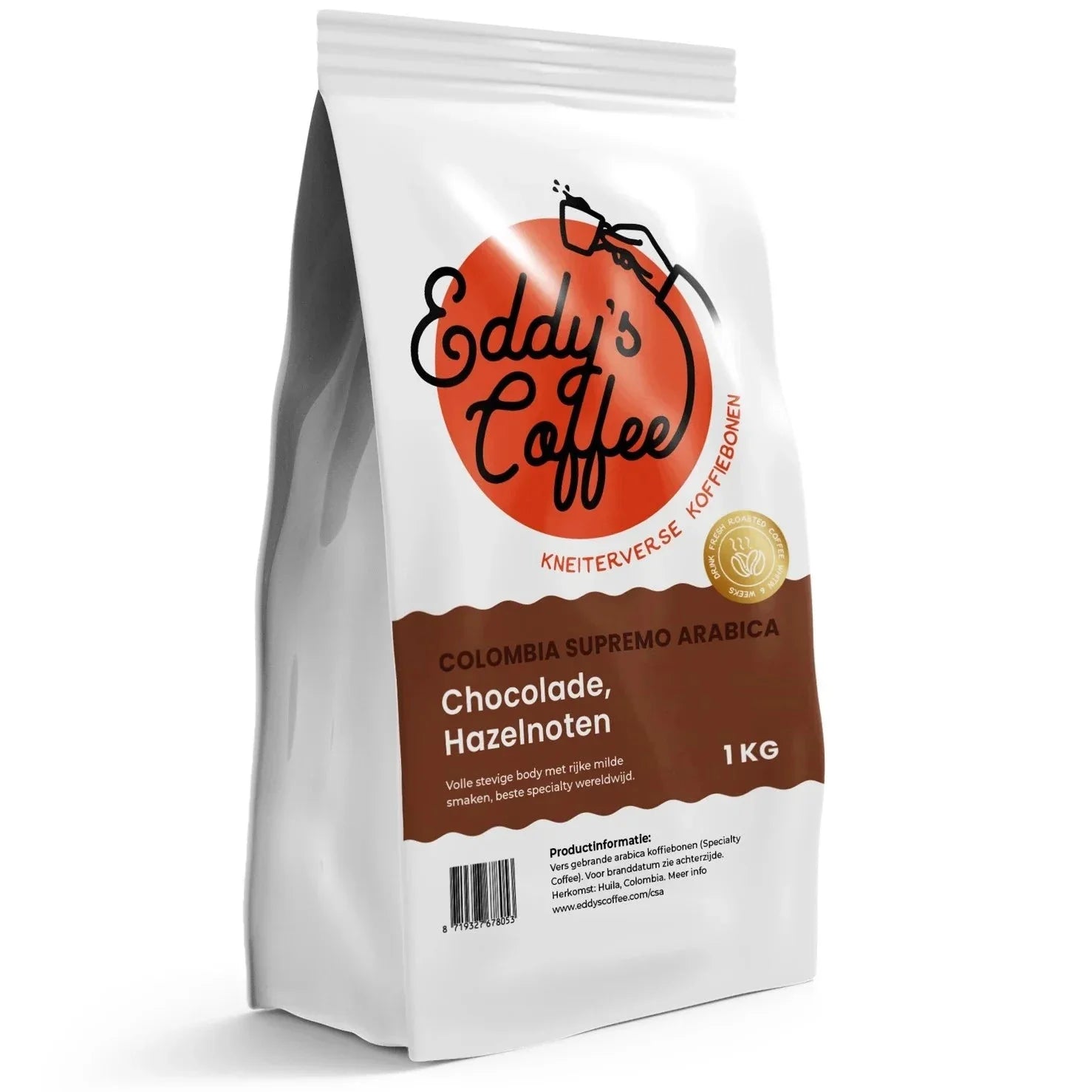
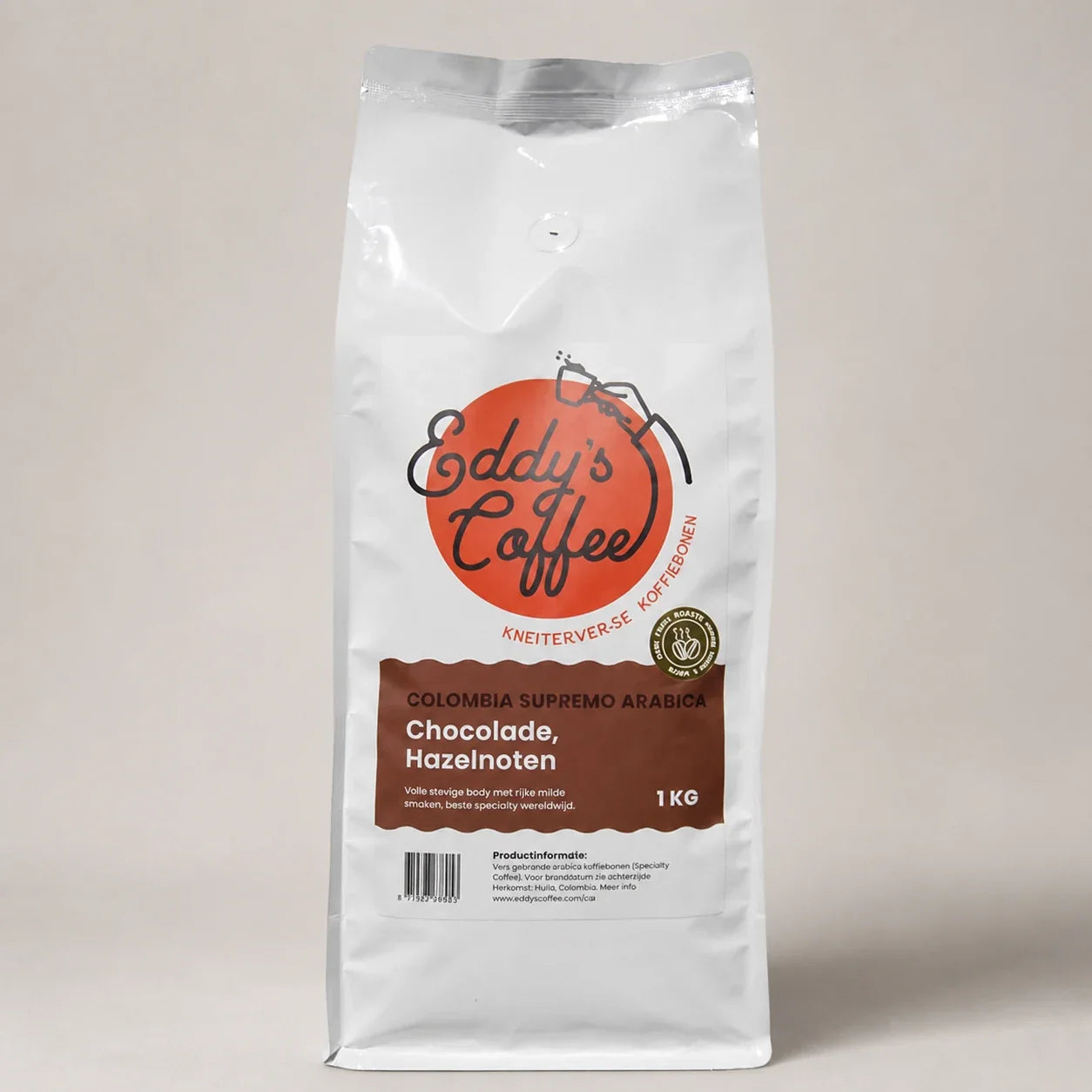
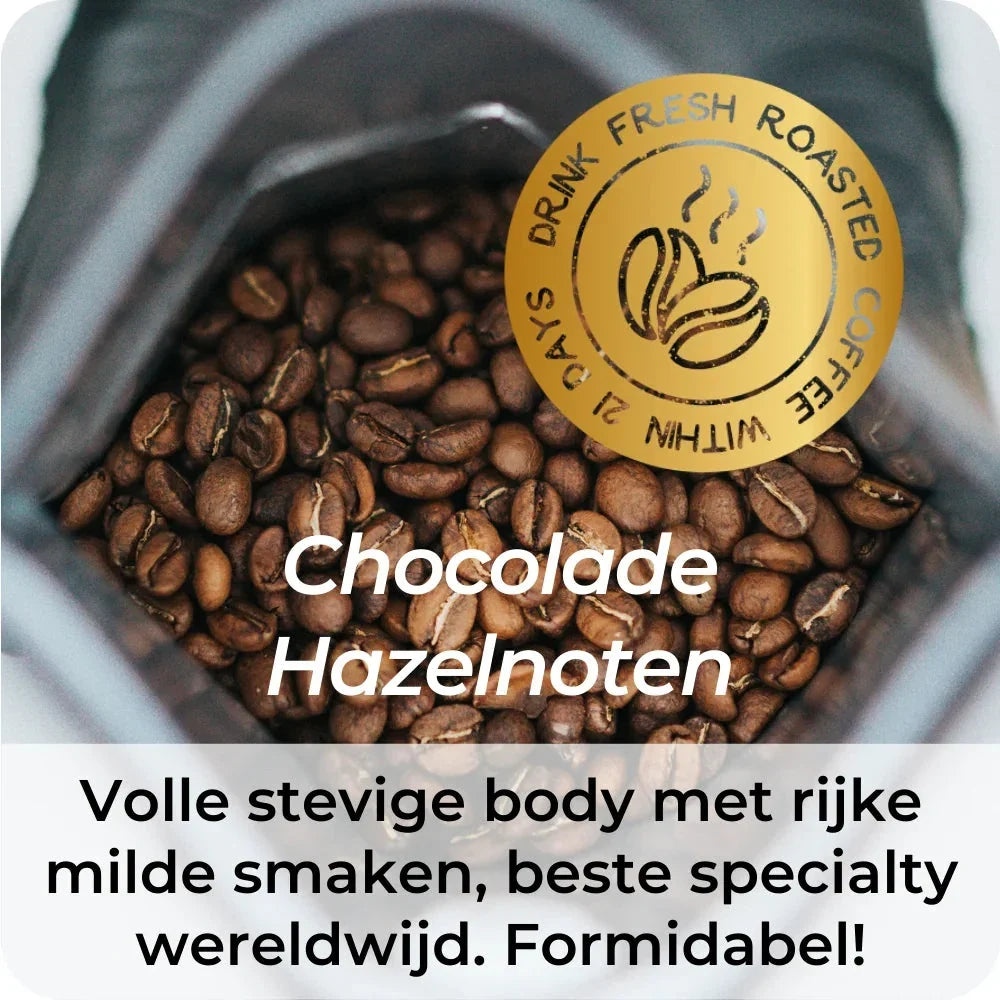
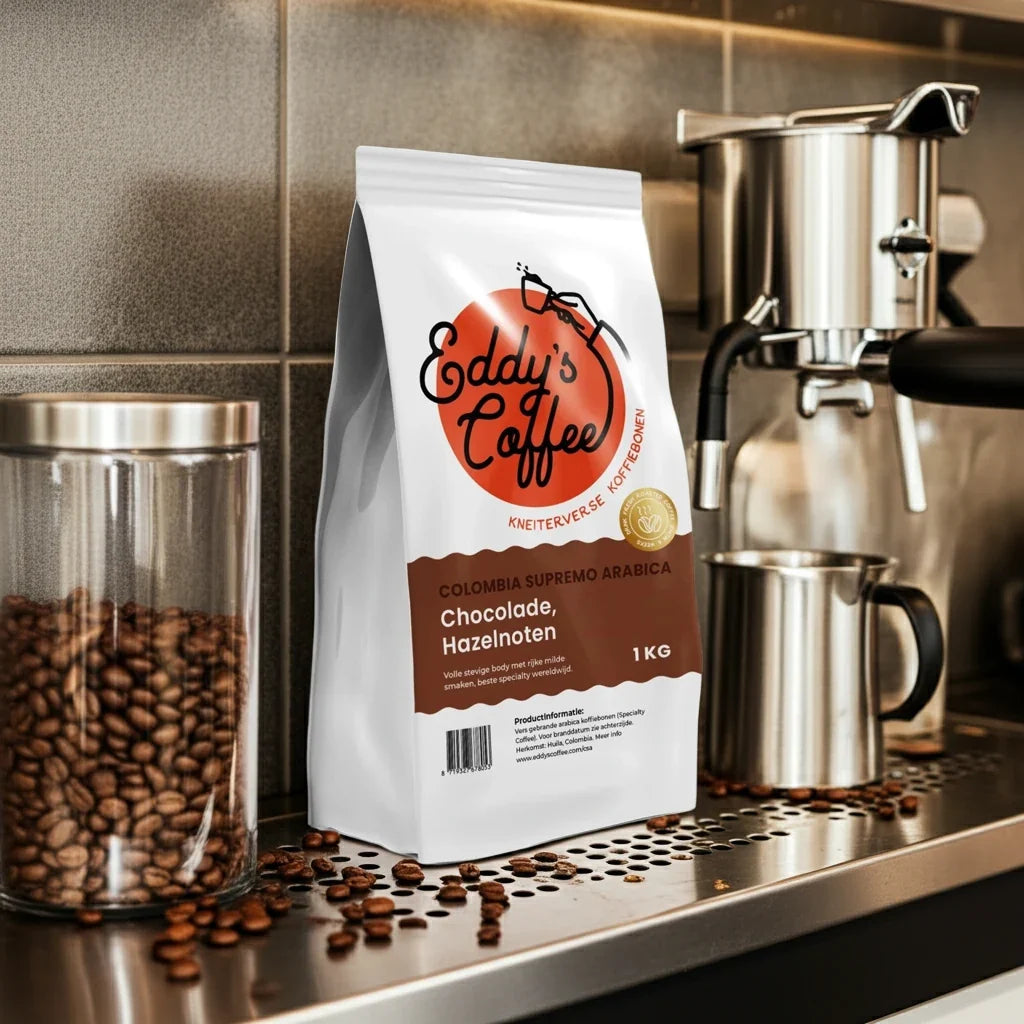
Our Colombia Supremo comes from Huila, a mountainous coffee region in southern Colombia. It has a full, firm body and a rich, mild flavour with nutty and chocolate notes. That structure makes it versatile: it works well as espresso and remains satisfying as filter coffee. If you want Colombian coffee beans that are enjoyable black or with milk, this Supremo is a strong starting point within the collection.
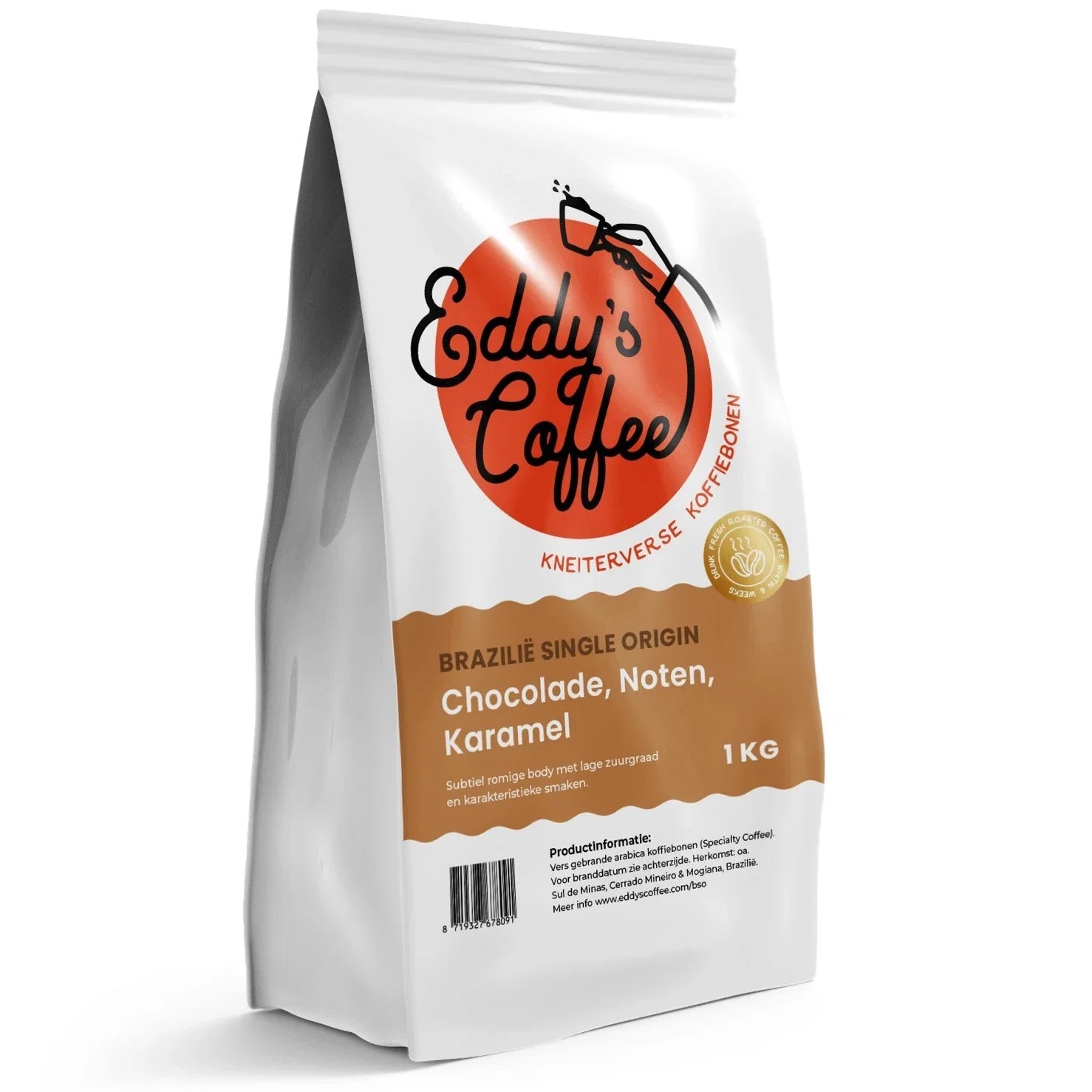
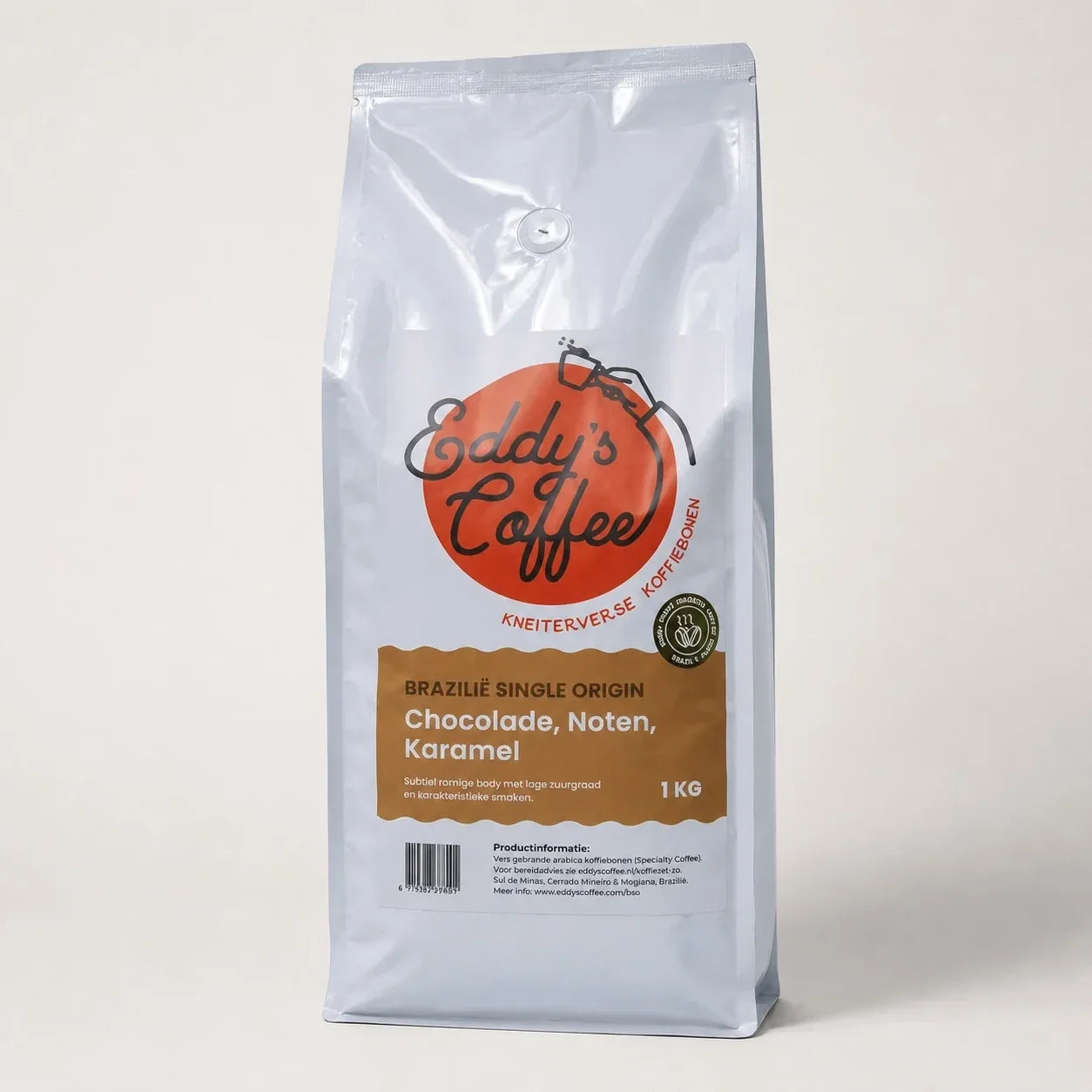
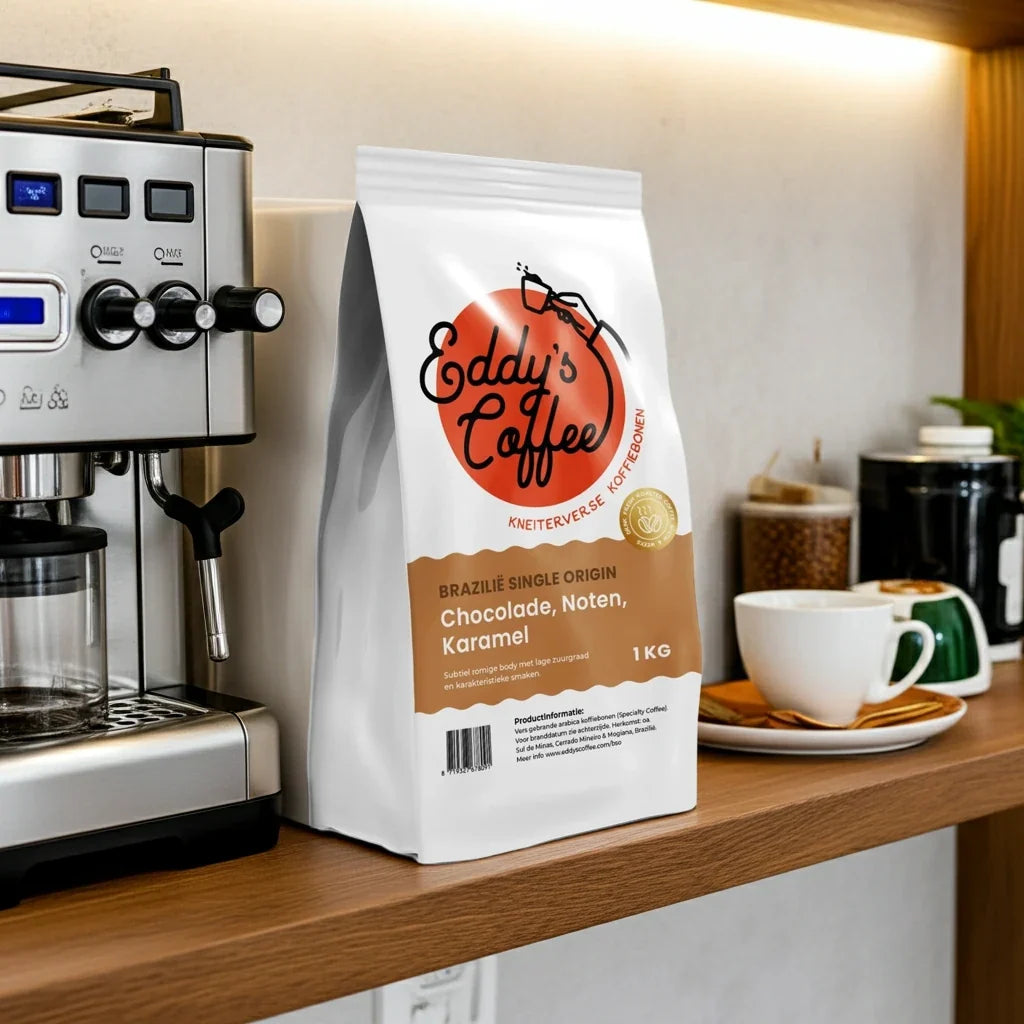
Brazil Single Origin from Sul de Minas, Cerrado Mineiro and Mogiana
Our Brazil Single Origin comes from the Brazilian regions of Sul de Minas, Cerrado Mineiro and Mogiana. The product page also identifies this coffee as Brazil Cascavel Verde. It has a sweet cup with floral notes. The coffee comes through a cooperative supply chain that works with local farmers and pays attention to the ecosystem around the plantations. It is an interesting choice when you want a sweet Brazilian coffee with a clear origin story.
Colombia Single Origin from Finca La Morelia
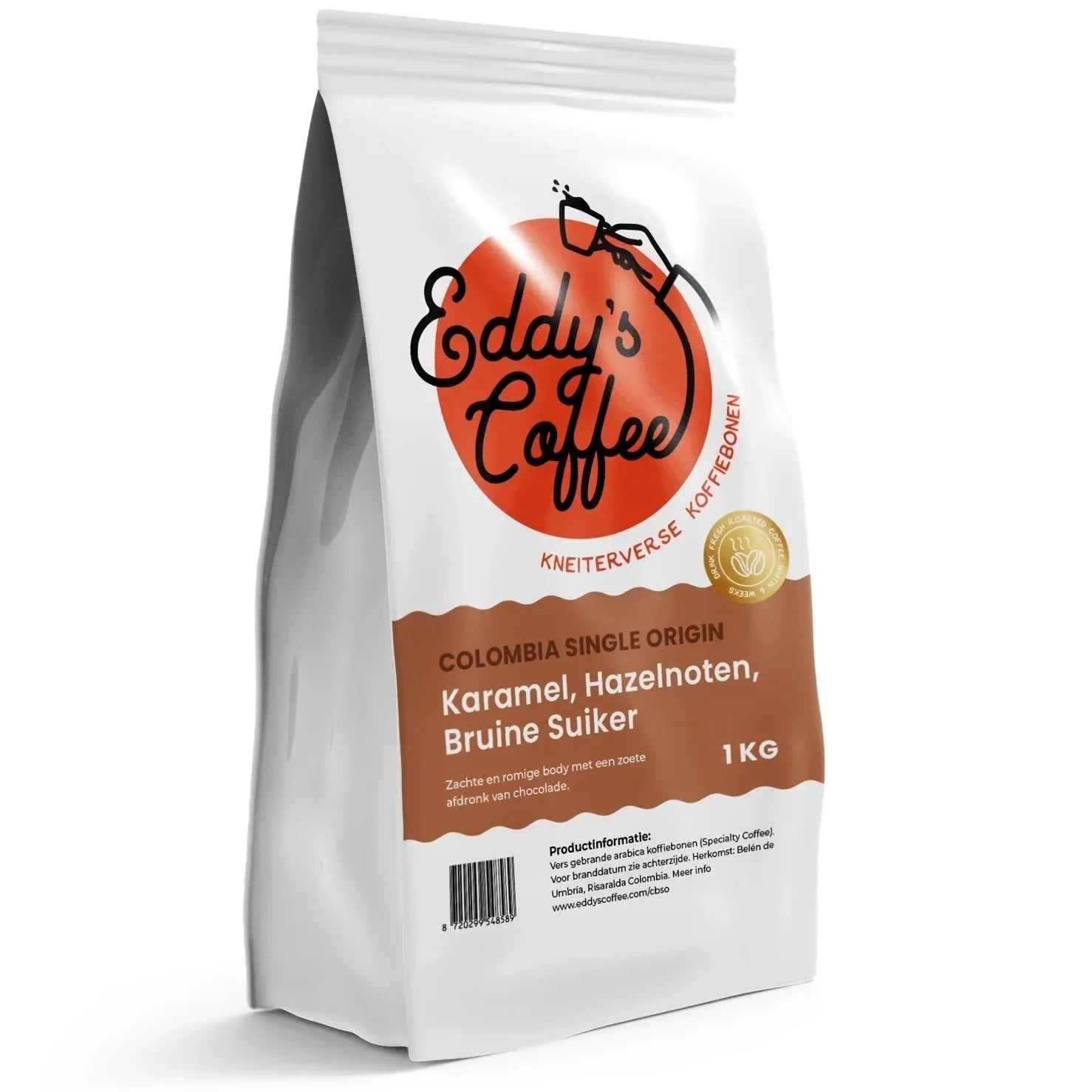
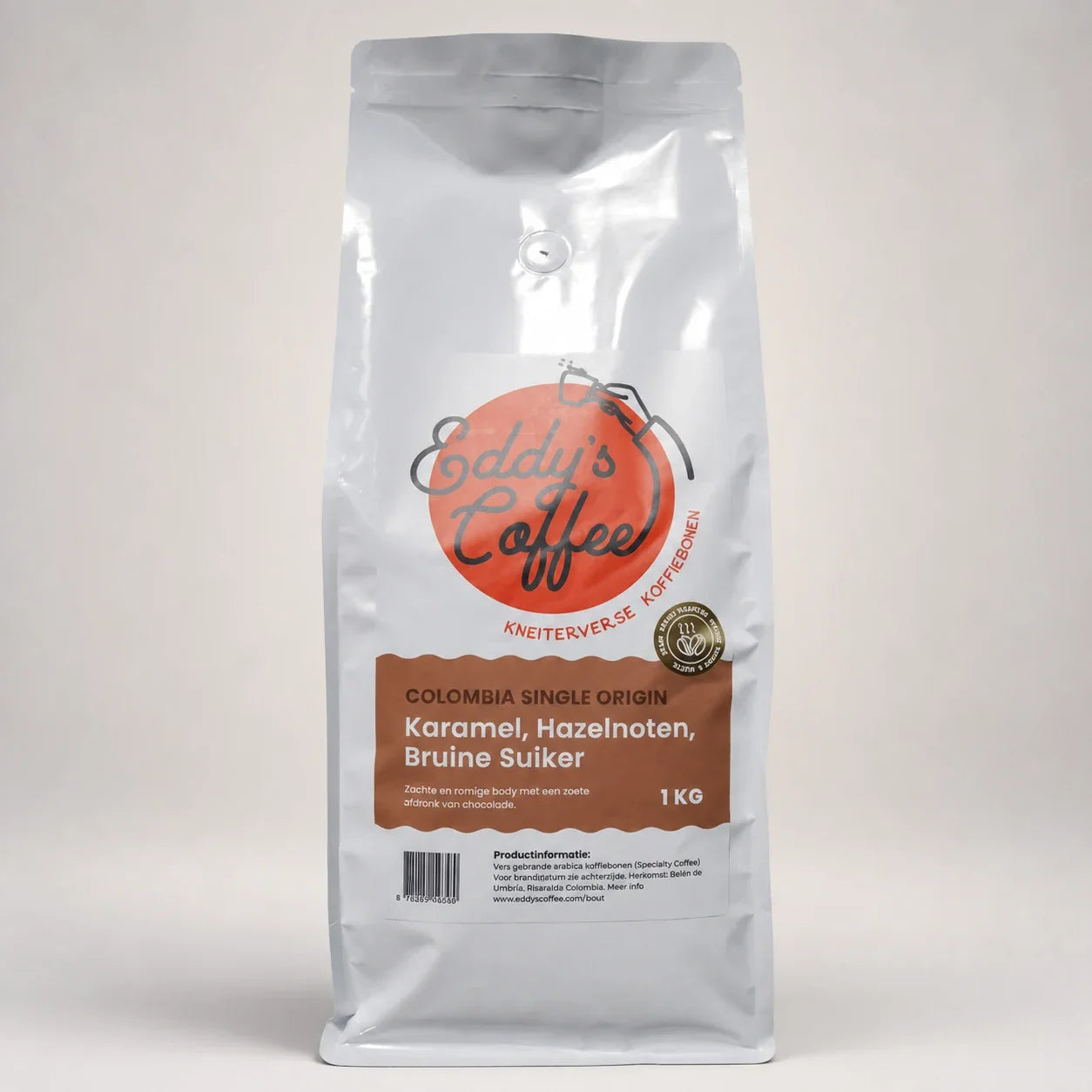
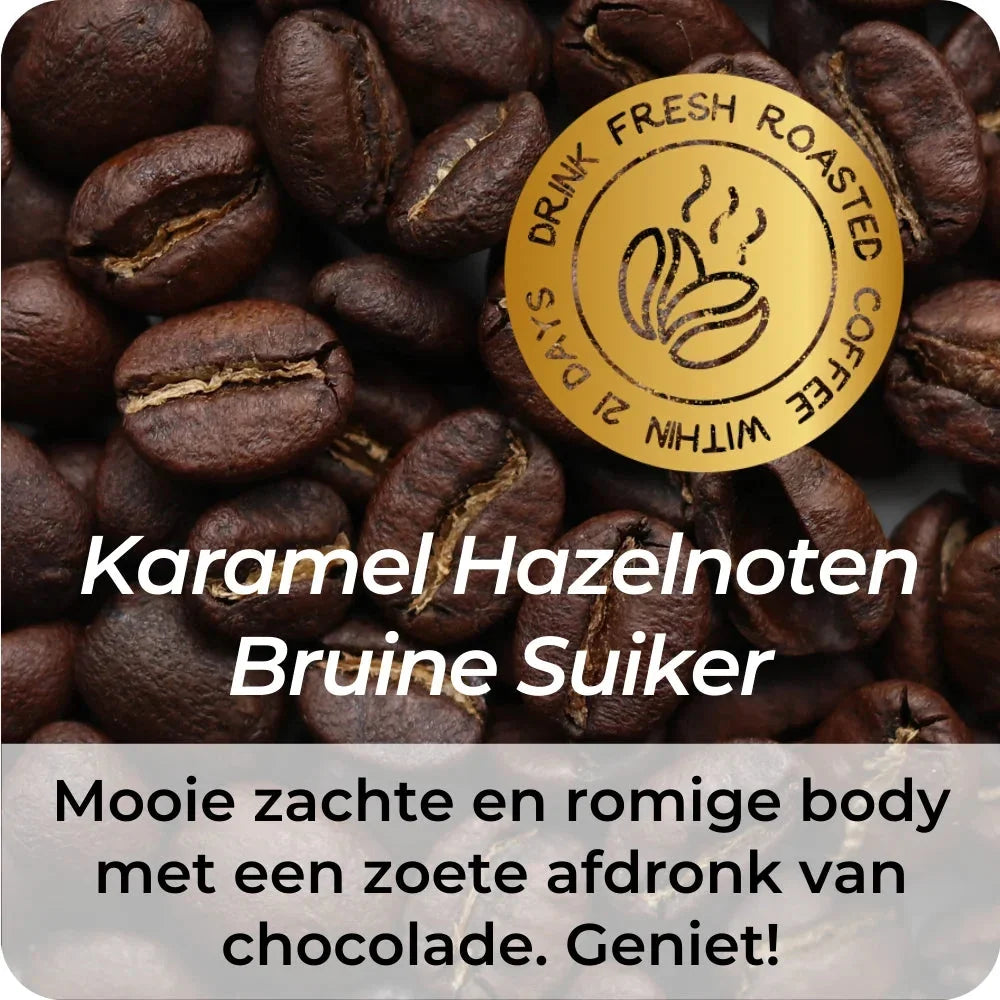
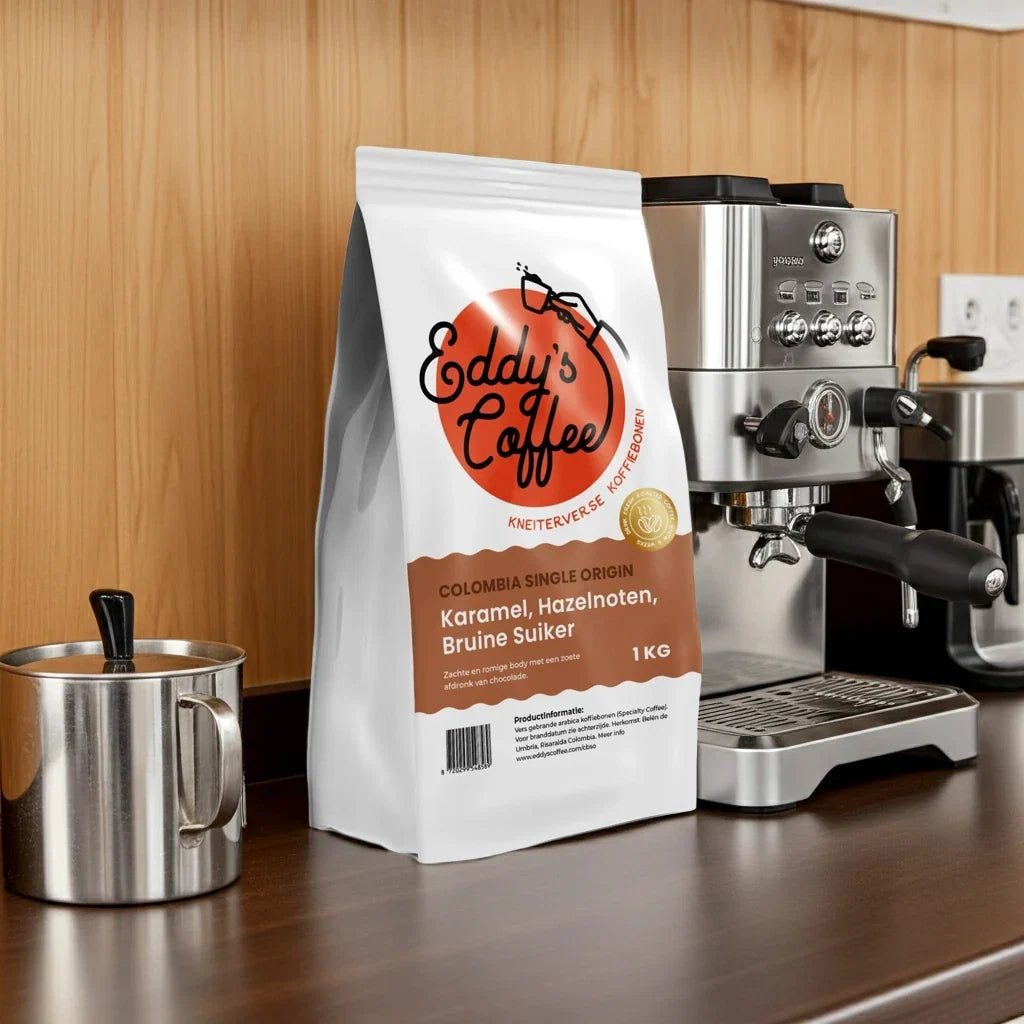
This coffee comes from Finca La Morelia in Belén de Umbría, in the Risaralda region of Colombia. The farm is run by Abel Cardona and the coffee grows at approximately 1,600 metres. The lot is Castillo, washed processed and has an SCA score of 85. In the cup, we look for a creamy body with notes of chocolate, brown sugar and hazelnut, followed by a sweet, full finish. Read more about Colombian coffee beans and compare it with the Huila Supremo above.
Peru Hazelnut Caramel from Rodriguez de Mendoza
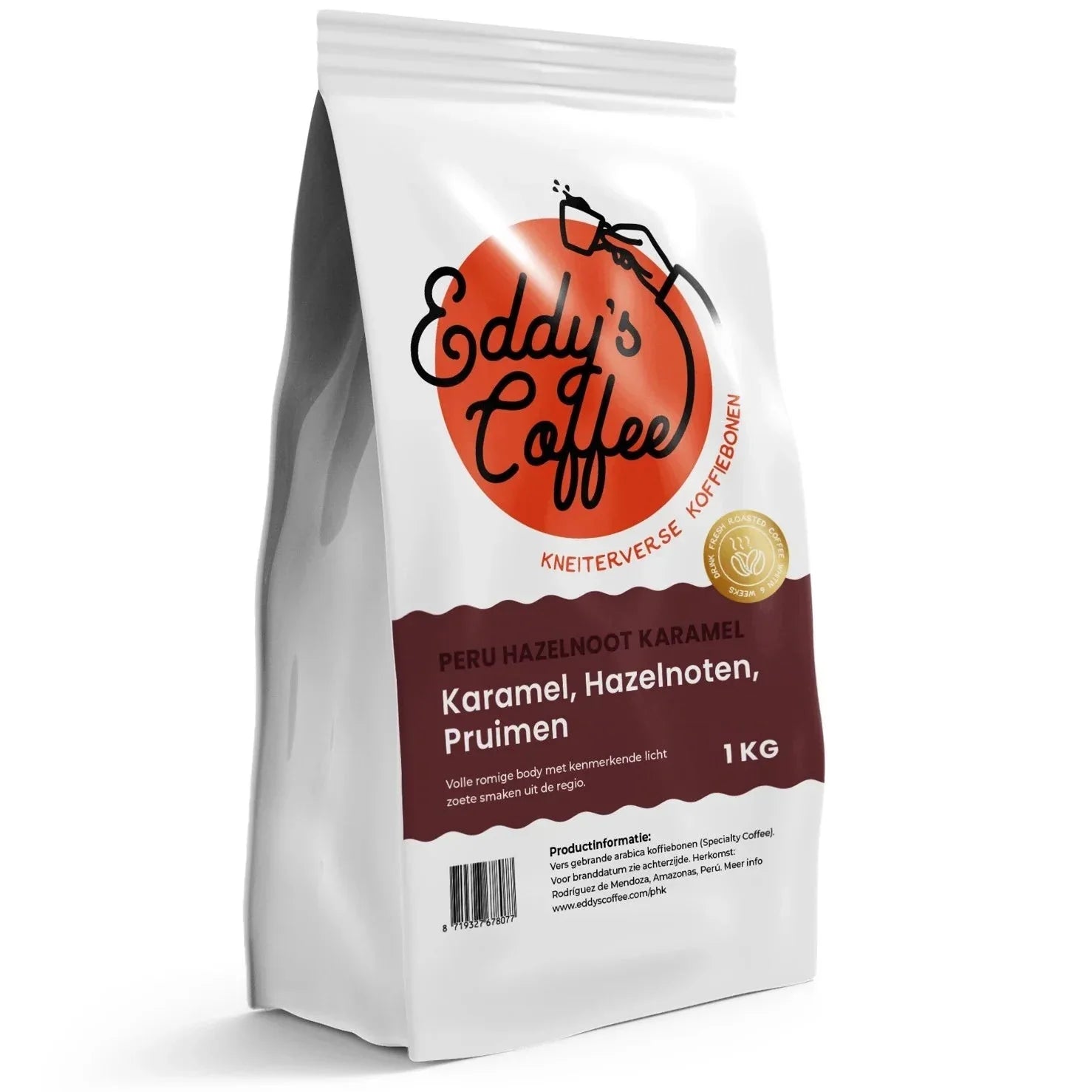
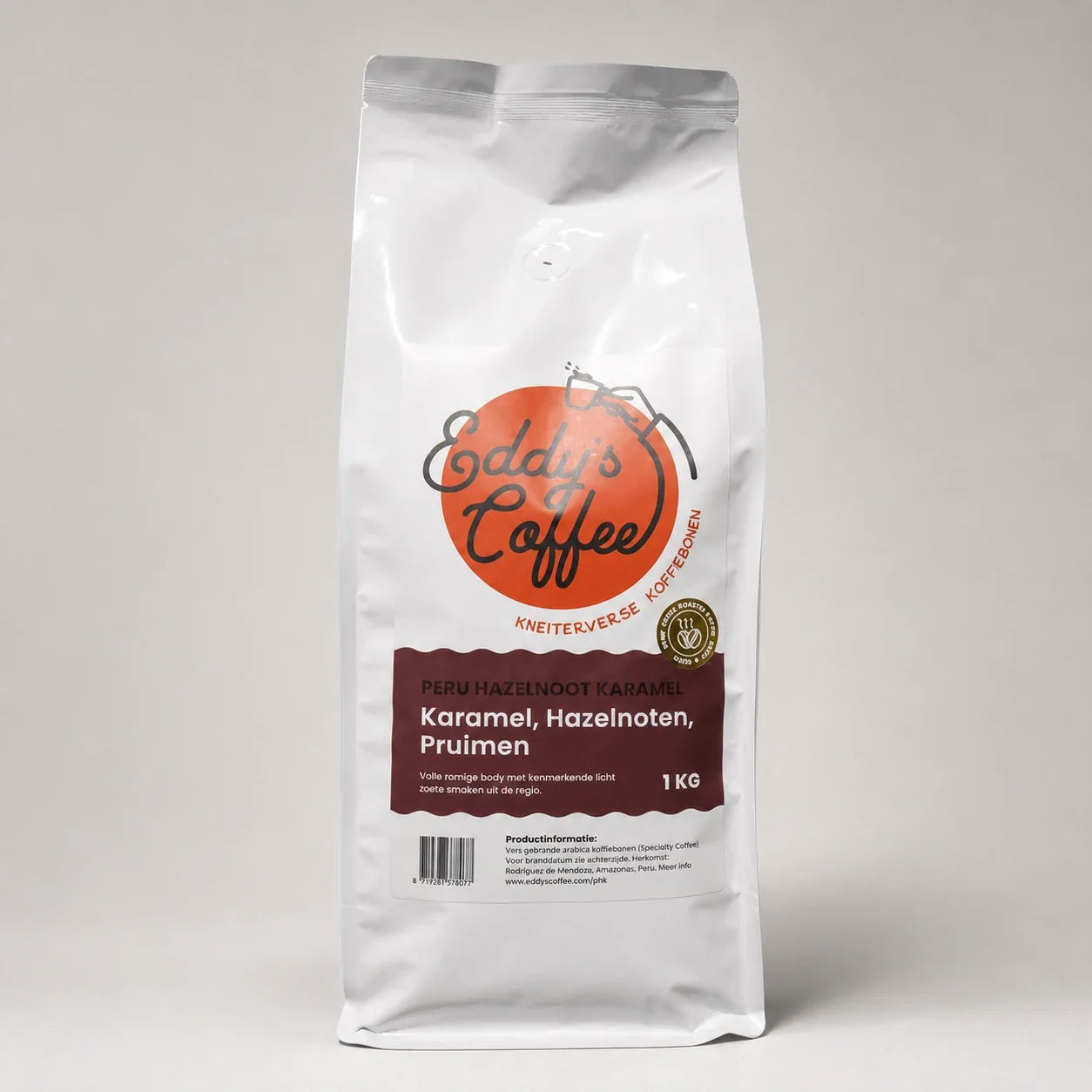
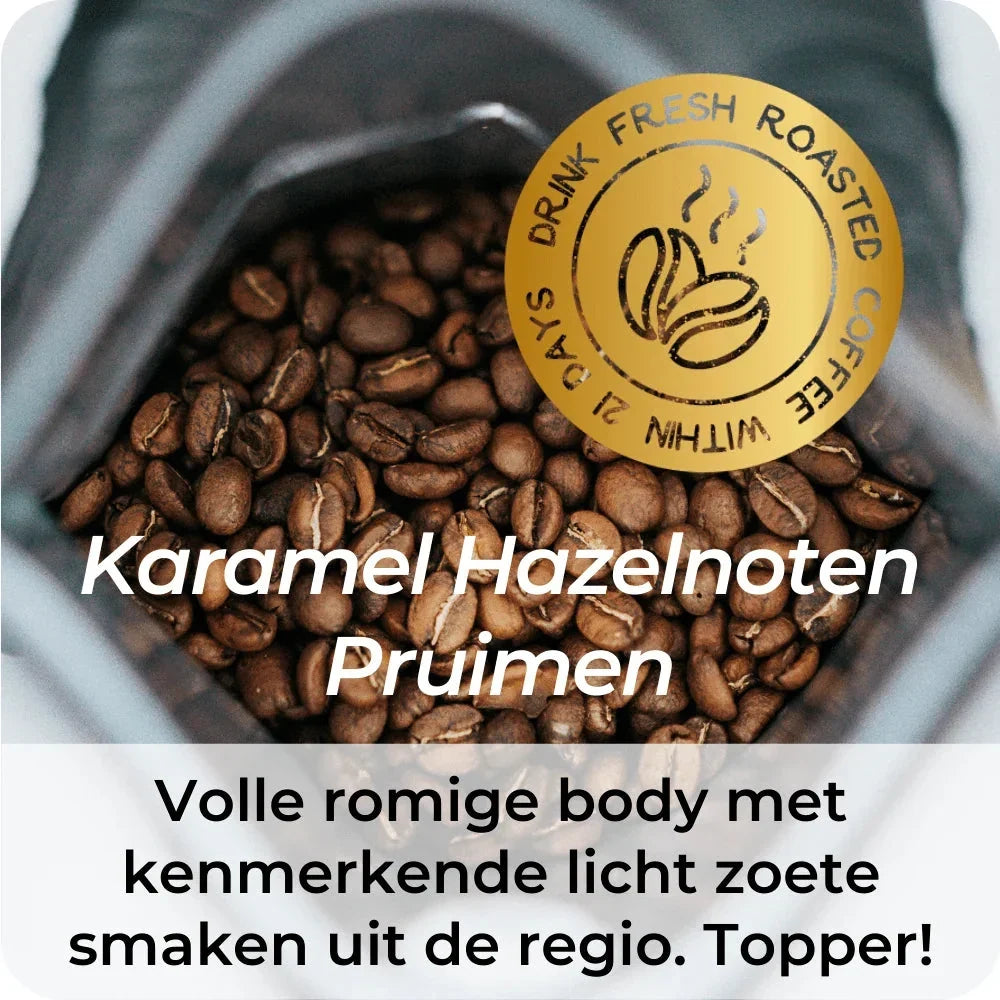
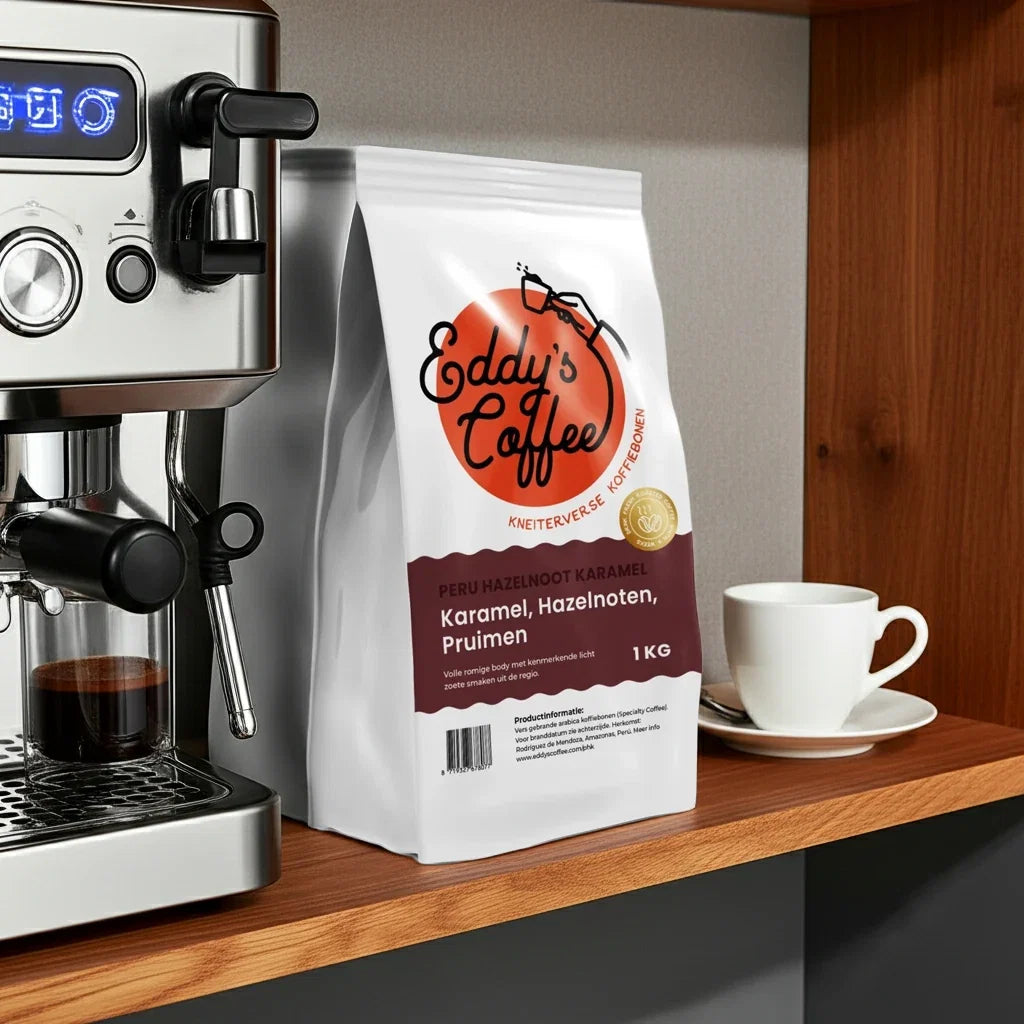
Peru Hazelnut Caramel comes from Rodriguez de Mendoza in Peru’s Amazonas region. Smallholder farmers grow this coffee at approximately 1,400 to 1,800 metres. The washed process and the combination of Bourbon, Catimor, Catuai, Pache and Typica produce a full, creamy body with sweet notes of caramel, nuts and plum. Choose this coffee when you enjoy a soft, sweet profile that works as espresso, lungo, cappuccino or filter coffee.
Ethiopia Sidamo Origin
This coffee comes from Ethiopia and carries the origin designation Sidamo. The country and region are therefore clearly identified, while the current product page remains the leading source for the exact flavour and brewing information of the available lot. Sidamo is an interesting choice when you want to compare an Ethiopian origin with the Colombian, Brazilian and Peruvian coffees in this collection. Visit the product page for the current roast, tasting notes and available grind options.
Which Single Origin coffee is right for your brewing method?
For espresso and cappuccino, look for body, sweetness and enough intensity. Colombia Supremo and Peru Hazelnut Caramel are natural options when you enjoy a firm espresso or milk-based coffee. Colombia Single Origin is versatile as well. For single origin filter coffee, aroma and clarity may become more prominent; Brazil Single Origin and Ethiopia Sidamo let you compare a different origin profile. These are starting points rather than fixed rules. Grind size, dose, extraction time and water temperature determine how each coffee appears in your cup.
When you open a new bag, start with a sensible recipe for your brewing method and change one variable at a time. If the coffee tastes bitter or dry, try a slightly coarser grind or a shorter extraction. If it tastes sour or thin, try a slightly finer grind or a longer extraction. Taste the coffee black first and let it cool slightly; many tasting notes become easier to recognise as the temperature drops. This is how you discover not only which beans you prefer, but also which recipe suits your machine.
What should you look for in Single Origin coffee beans?
- Origin: country, region, municipality, cooperative, farm or lot.
- Variety: for example Castillo, Caturra, Bourbon or Typica.
- Processing: washed, natural or honey process, where confirmed.
- Altitude: useful context for growth and ripening, but not proof of quality on its own.
- Tasting notes: the notes, body, acidity and finish described for the current lot.
- Roast: a roast style that supports the coffee and suits your brewing method.
- Freshness: a clear roast date and good storage at home.
Buy Single Origin coffee beans from Eddy’s Coffee
At Eddy’s Coffee, the coffee you choose is freshly roasted and supplied with a roast date. Each product page explains where the coffee comes from, how it was processed, which flavours to expect, which grind options are available and which brewing methods suit it. You can order whole beans or choose a grind for espresso, filter, cafetière or moka pot.
Browse the full Specialty Coffee collection when you want to compare all available origins. Not sure which coffee suits your taste or machine? Read our coffee bean choice guide or learn more about buying coffee beans online.
Single Origin coffee is ultimately about discovery: one country, sometimes one region or farm, and a cup in which that origin can remain recognisable. Choose the coffee that fits your taste and brewing method, taste it calmly and adjust your recipe to the beans in your grinder.